










Museo de Sitio de Monte Albán
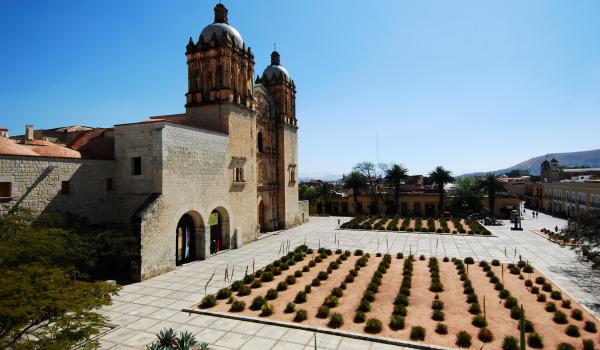
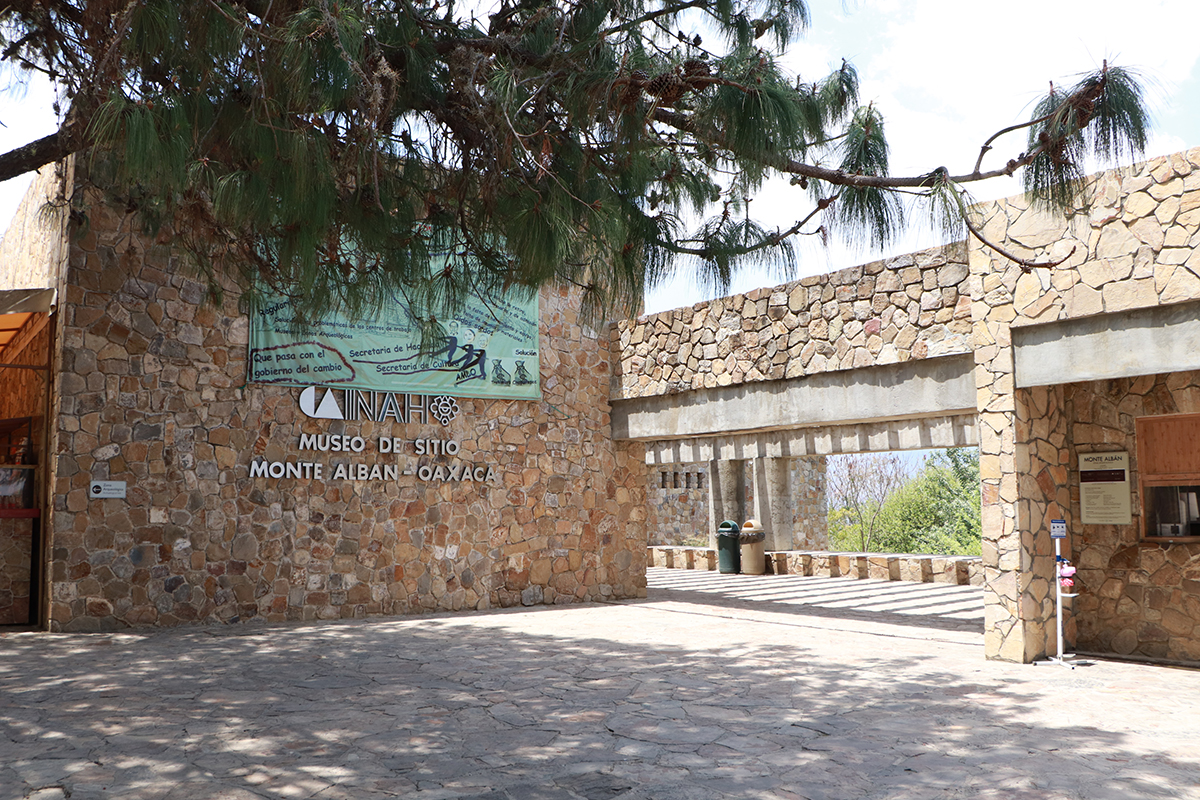
The incomparable city of the Olmec, Zapotec and Mixtec peoples, inhabited over a period of 1500 years. Monte Albán occupied a mountain top, and is where the treasure of Tomb 7 was found. The site museum presents its evolution and the extent of its rich culture. A UNESCO World Heritage Site.
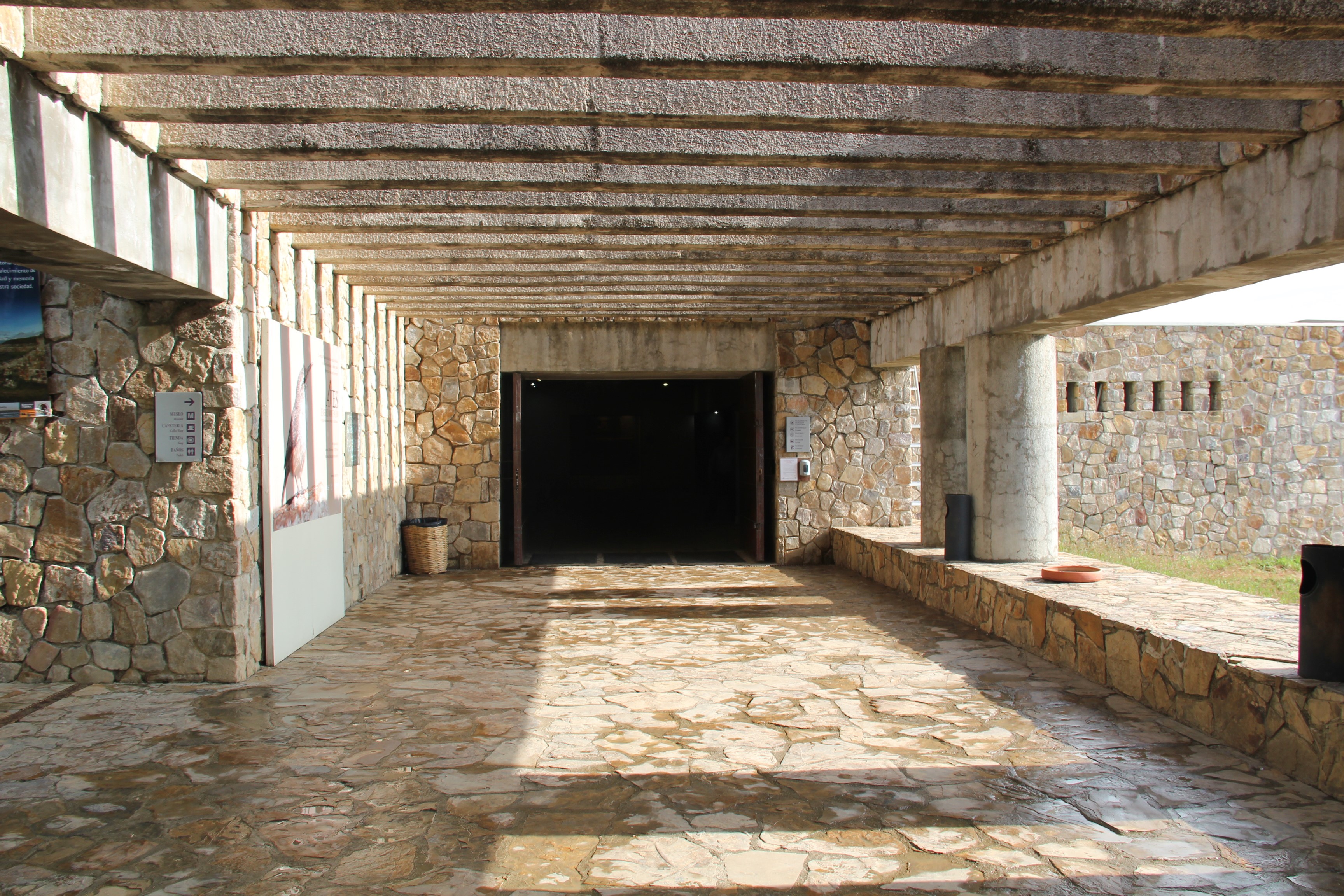
One of the achievements of the Monte Albán Special Archeology Project, the museum opened its doors in November 1994. It has a built area of 11,700 square feet and is divided into permanent exhibit areas and a temporary exhibit gallery. The collection consists of 650 archeological pieces, which include stone carvings, pottery, ceramic figurines, shells and bone remains. It also displays the treasure from Tomb 7 found by Alfonso Caso in 1932. Along with the city of Oaxaca, this pre-Hispanic settlement was designated a UNESCO World Heritage Site on December 11, 1987.
Visitors can learn about topics ranging from the history of the site’s discovery and exploration (through accounts from the many travelers who have visited it since the nineteenth century), how the pre-Hispanic city was founded on a mountain top, the architecture, ceramics, funeral rites, religion, writing system, influence and trade of this major city, as well as its eventual collapse.
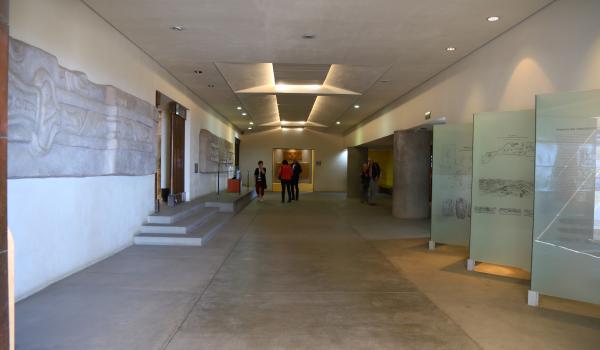
Interior Lobby
The history of the discovery and exploration of the site is told through the accounts of various travelers who visited it from the 19th century onward, including Guillermo Dupaix, J.B. Carriedo, Johann von Müller, Désiré Charnay, and A.F. Bandelier, among others. This section also highlights the…
Interior Lobby
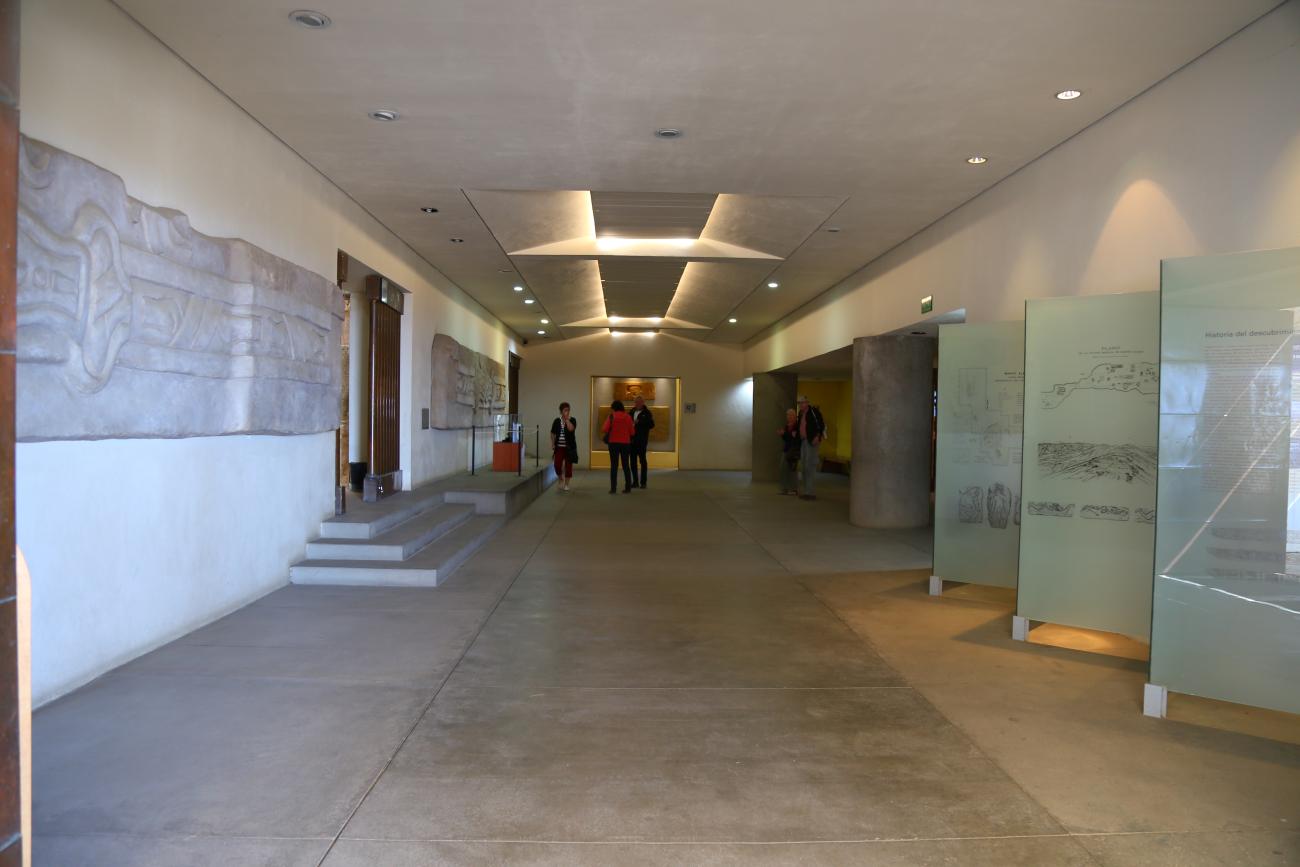
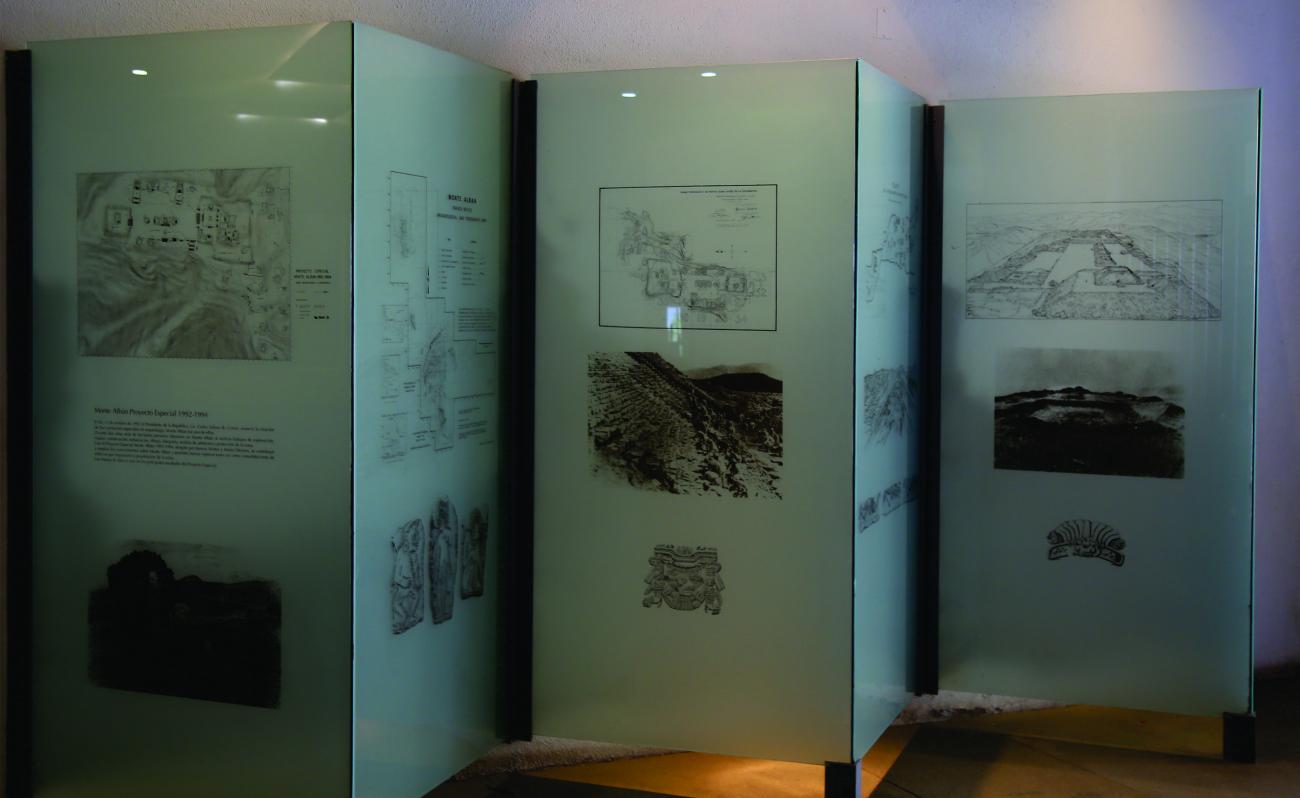
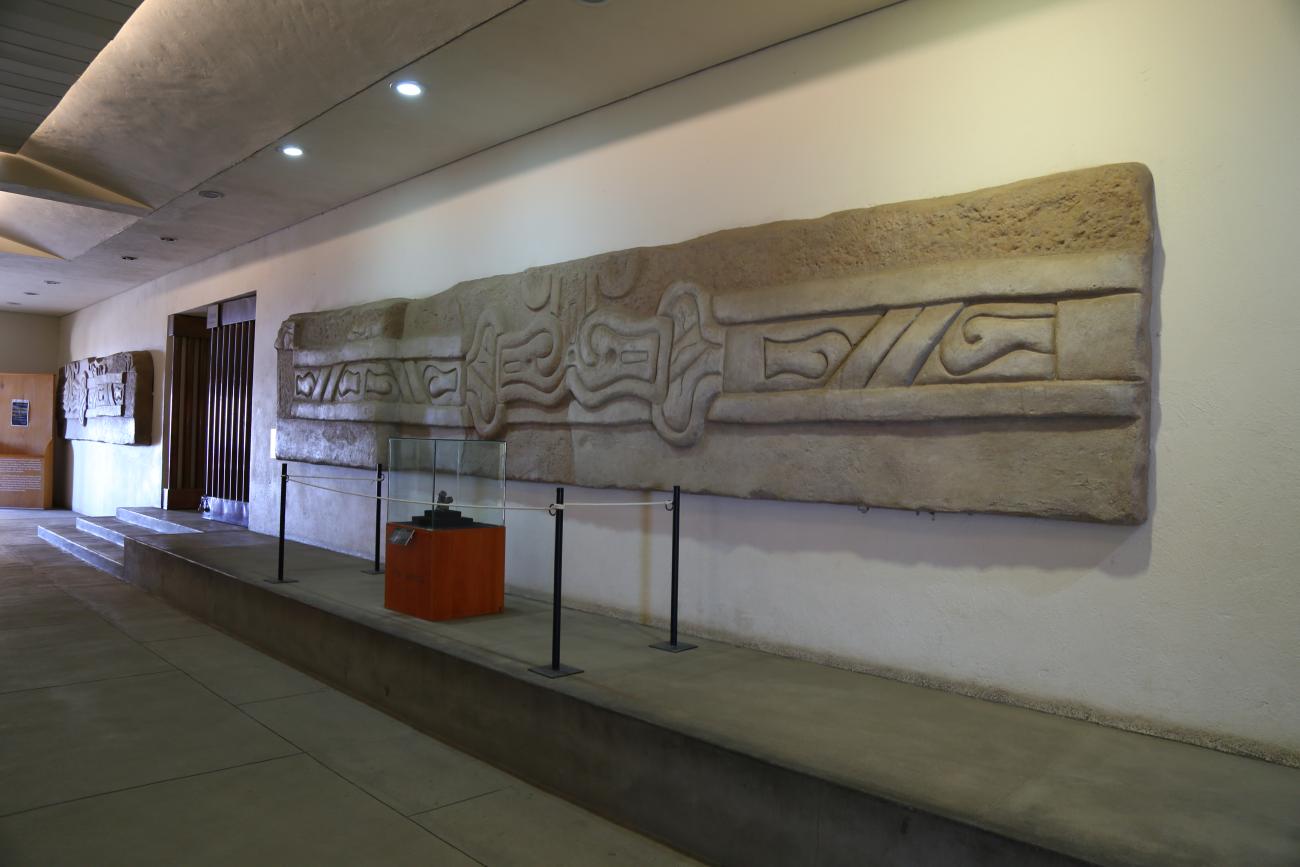
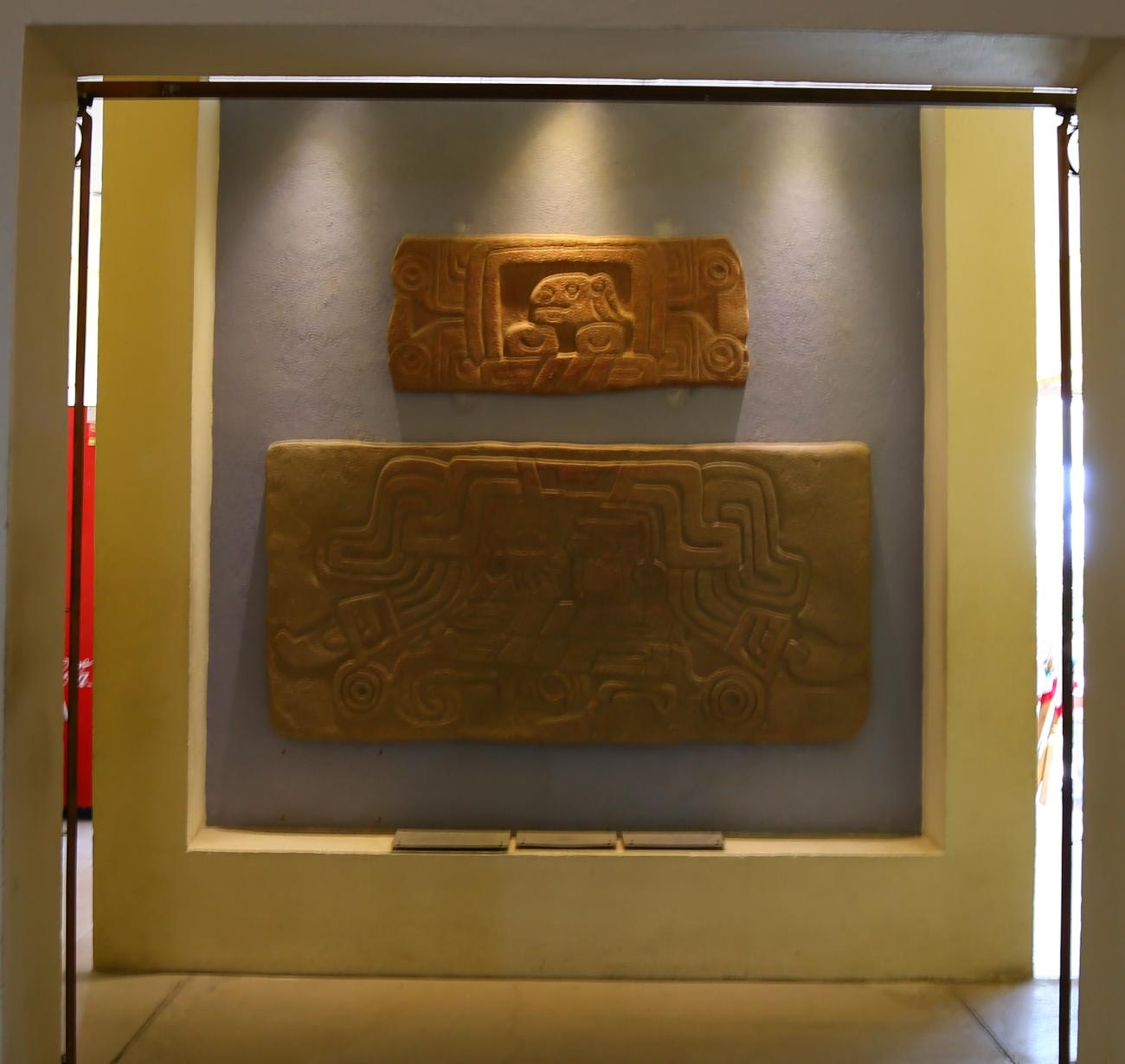



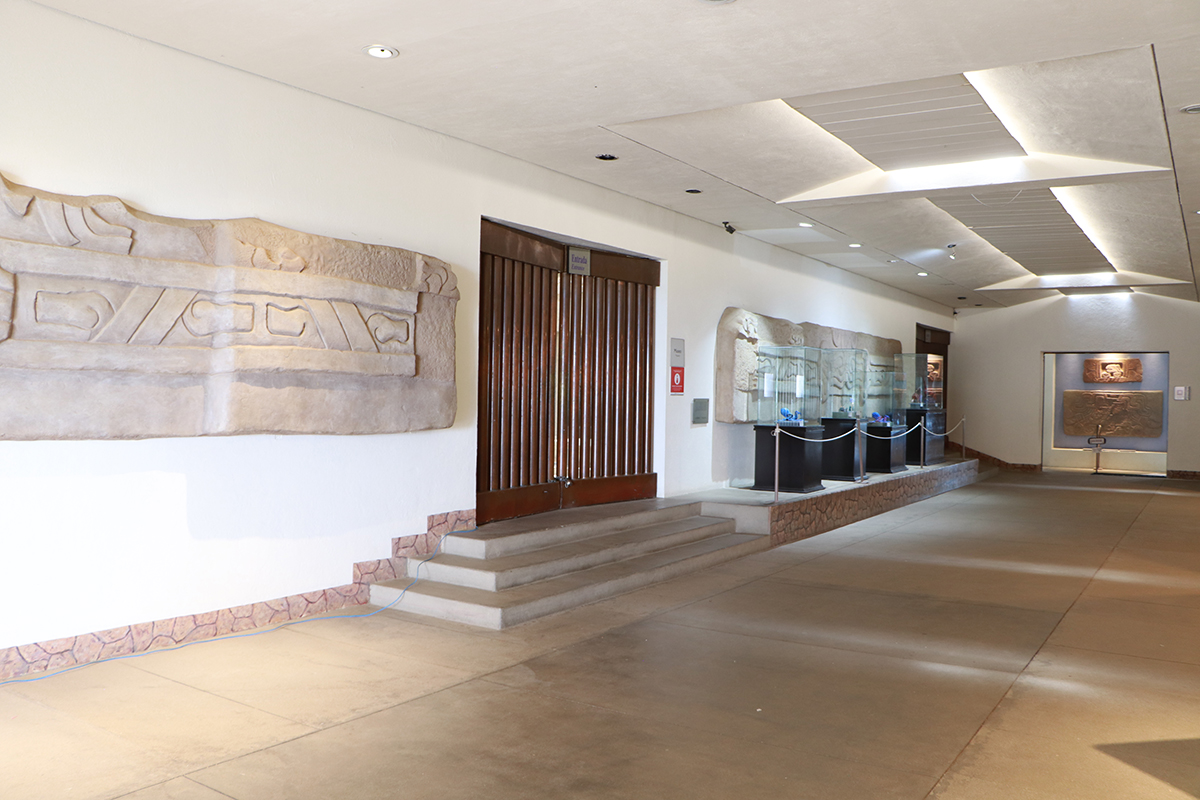
The history of the discovery and exploration of the site is told through the accounts of various travelers who visited it from the 19th century onward, including Guillermo Dupaix, J.B. Carriedo, Johann von Müller, Désiré Charnay, and A.F. Bandelier, among others. This section also highlights the early 20th-century explorations by Leopoldo Batres and the work of Alfonso Caso starting in 1931, as well as special archaeological projects carried out between 1992 and 1994.
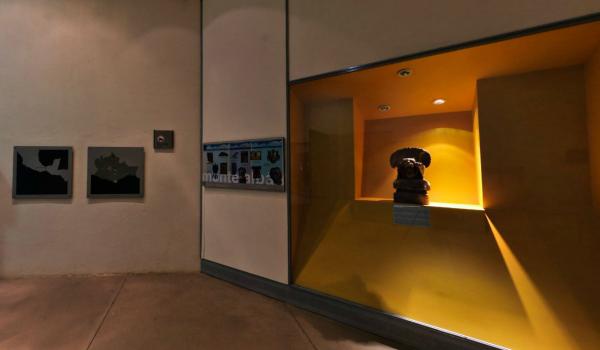
Area One
The Zapotec people flourished in the Central Valleys of Oaxaca, with archaeological evidence suggesting their origins date back around 2,500 years. From this culture emerged Monte Albán, a city built on mountainous terrain that became the most significant pre-Hispanic urban center in the region.In…
Area One
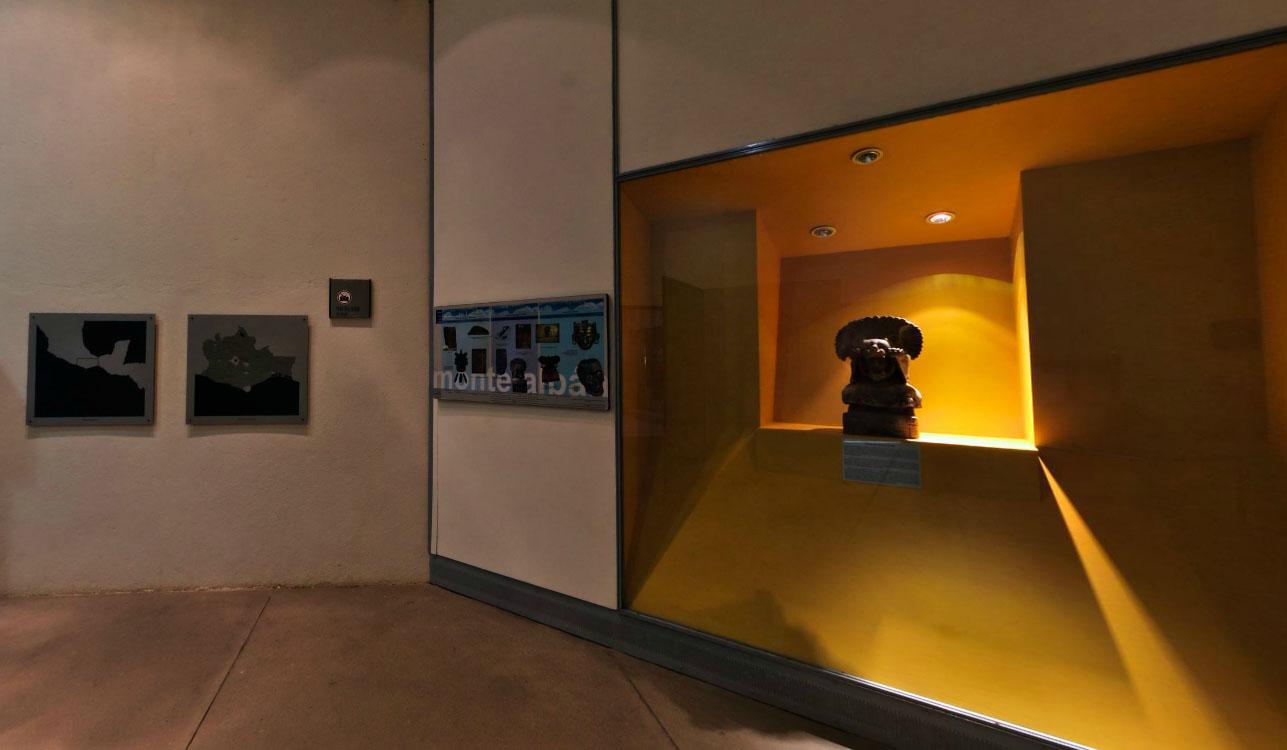
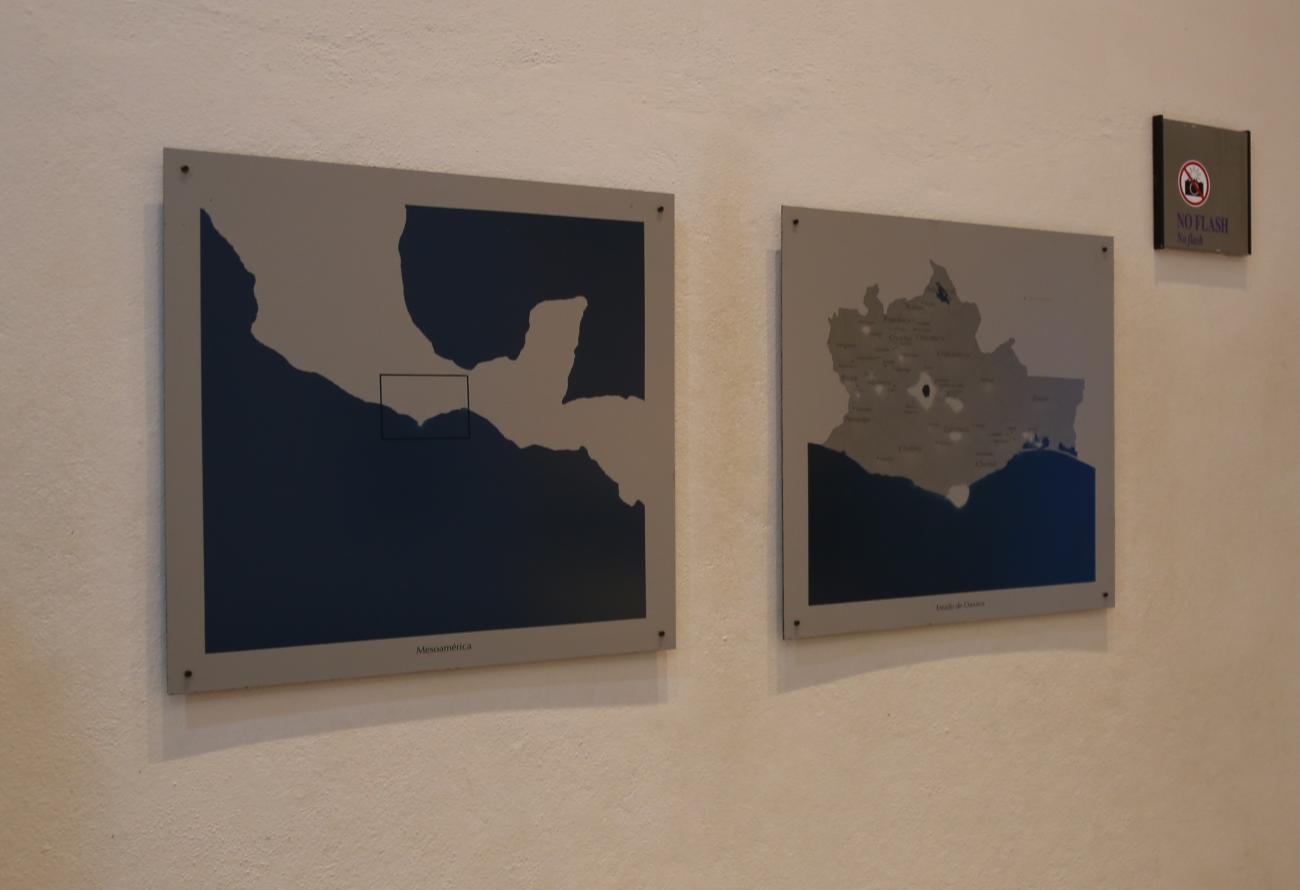
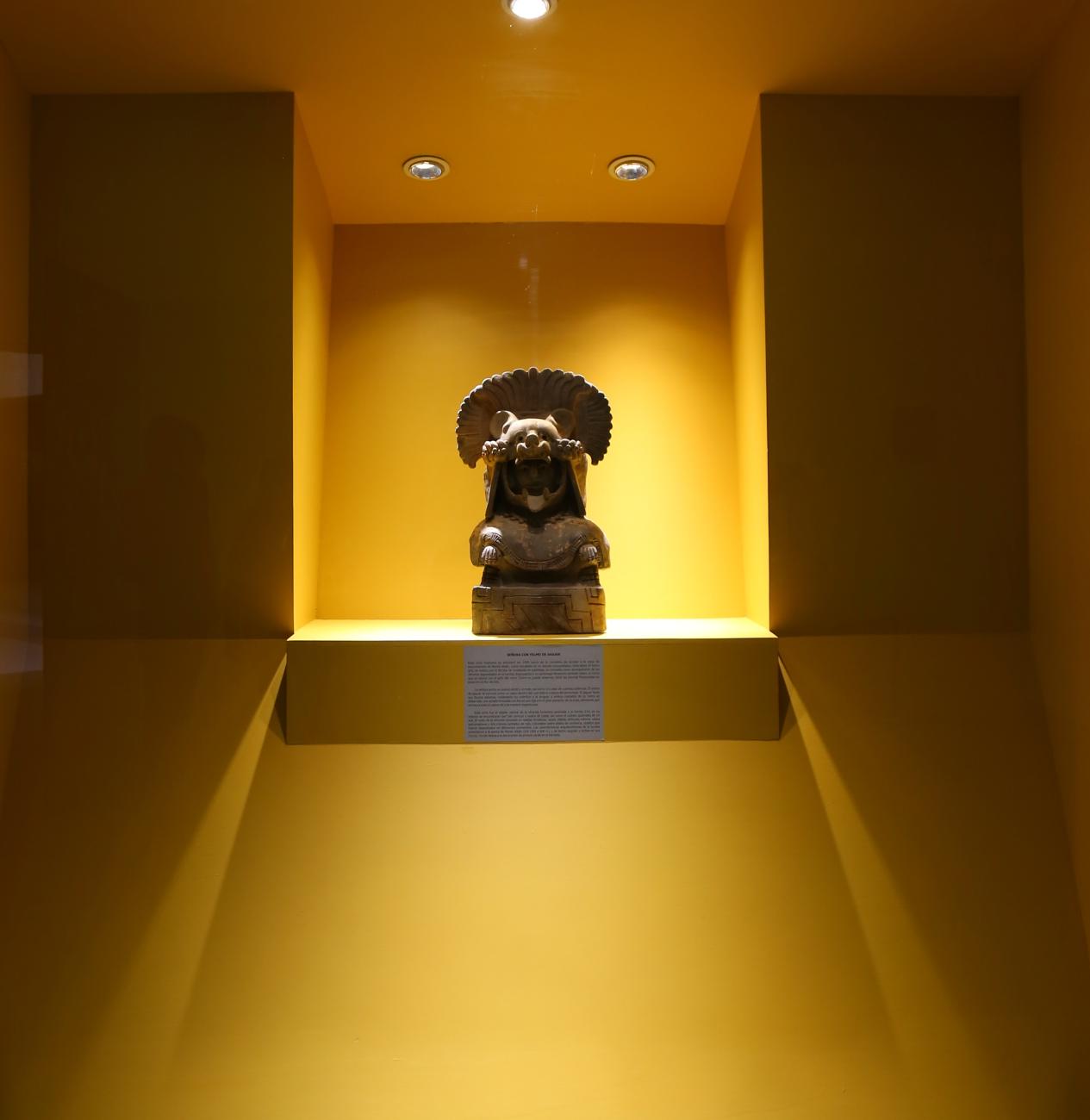
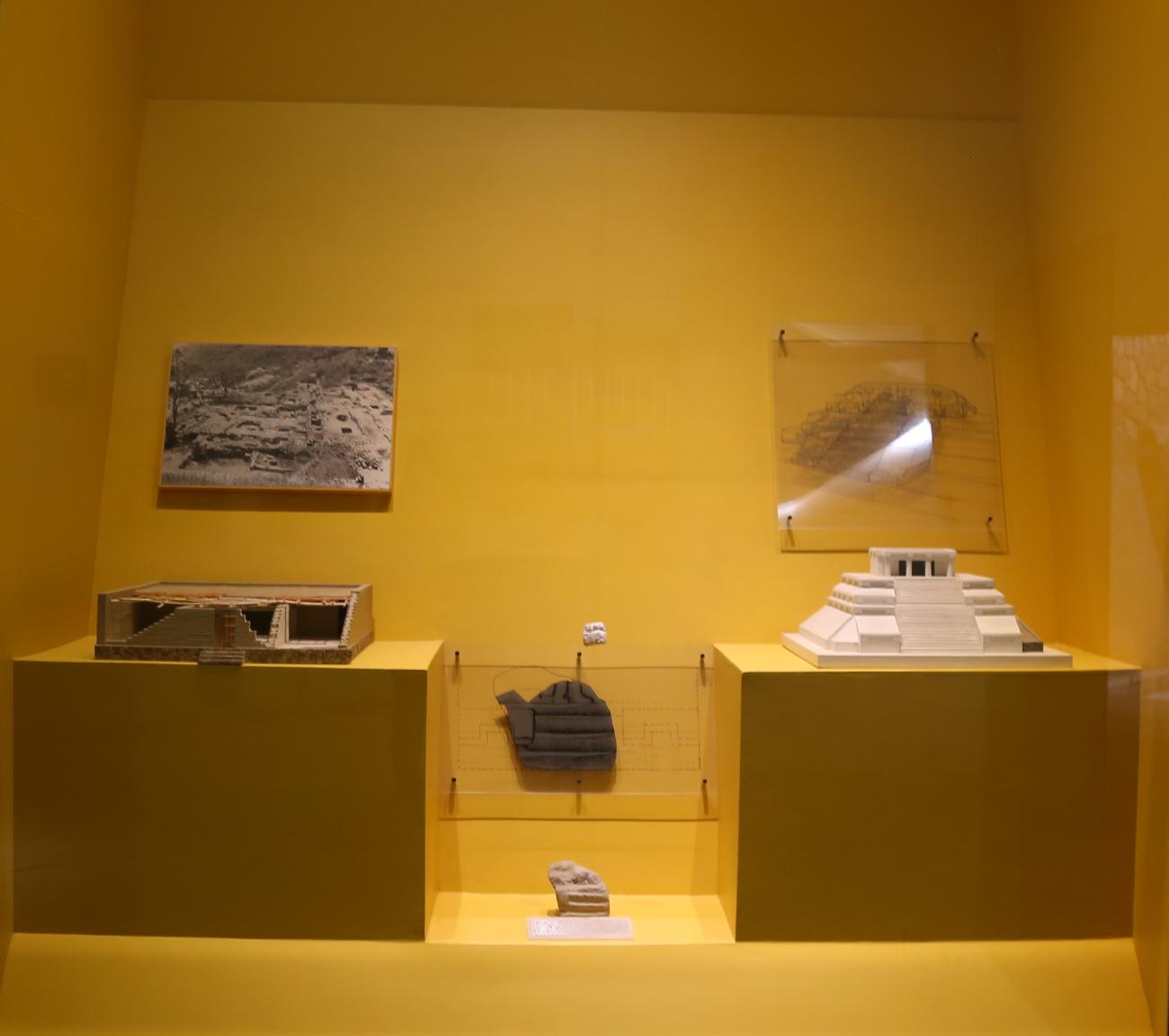
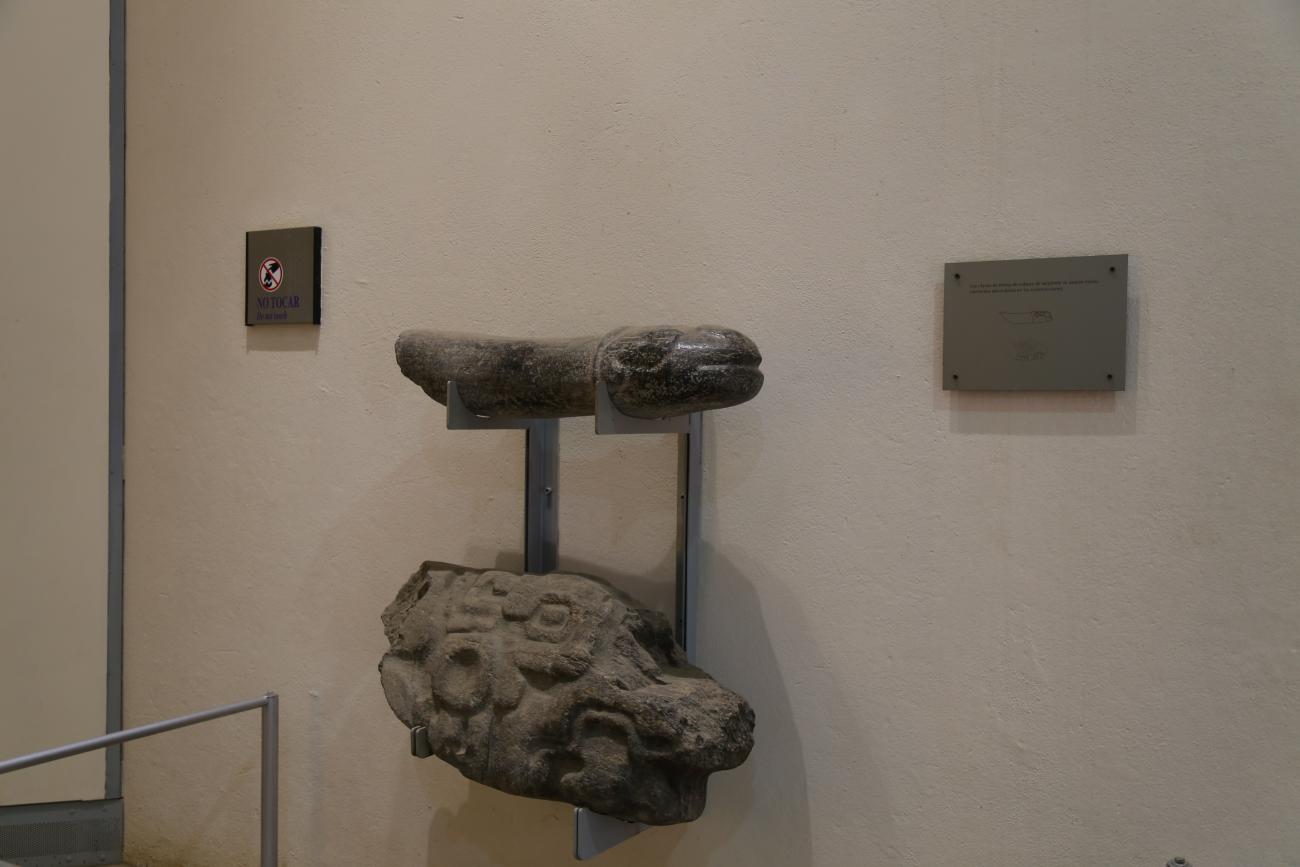
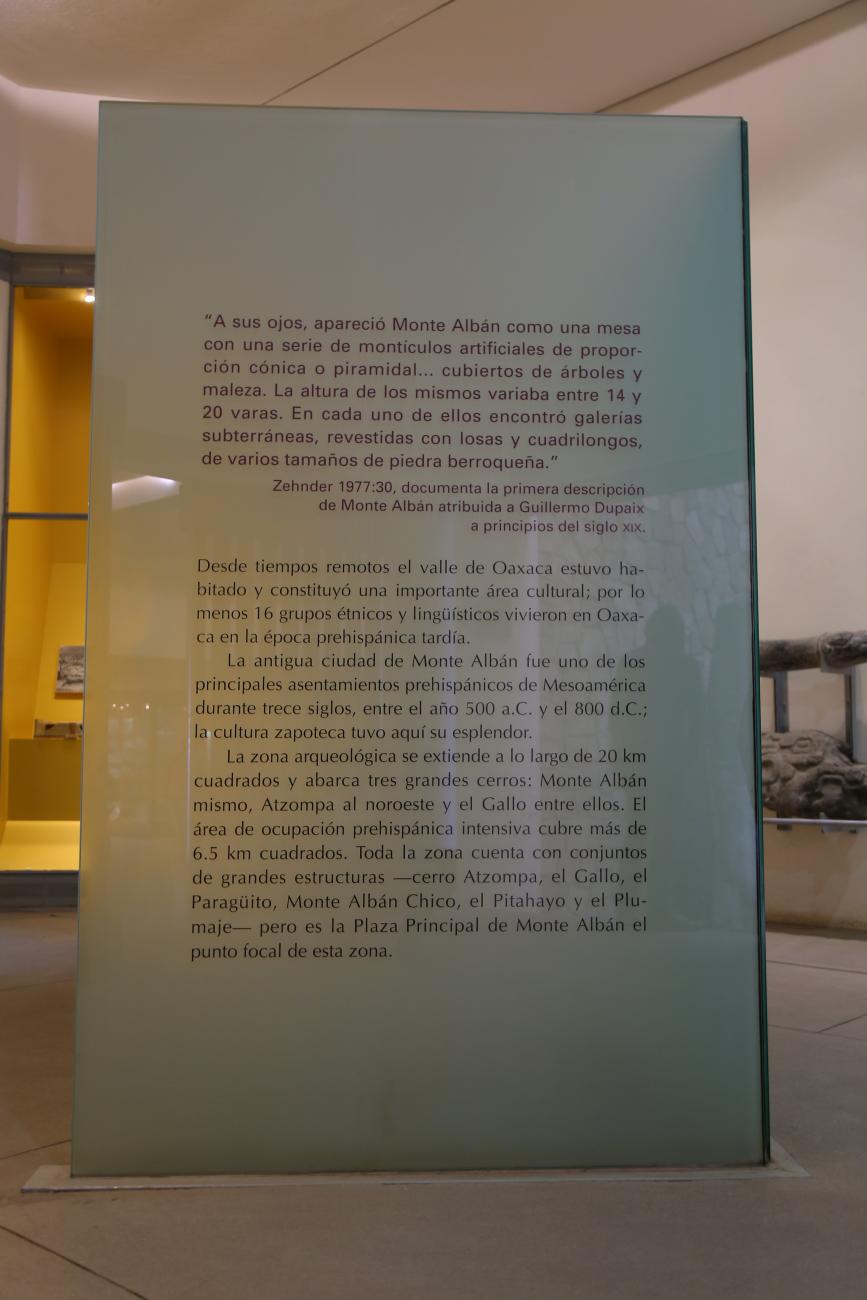
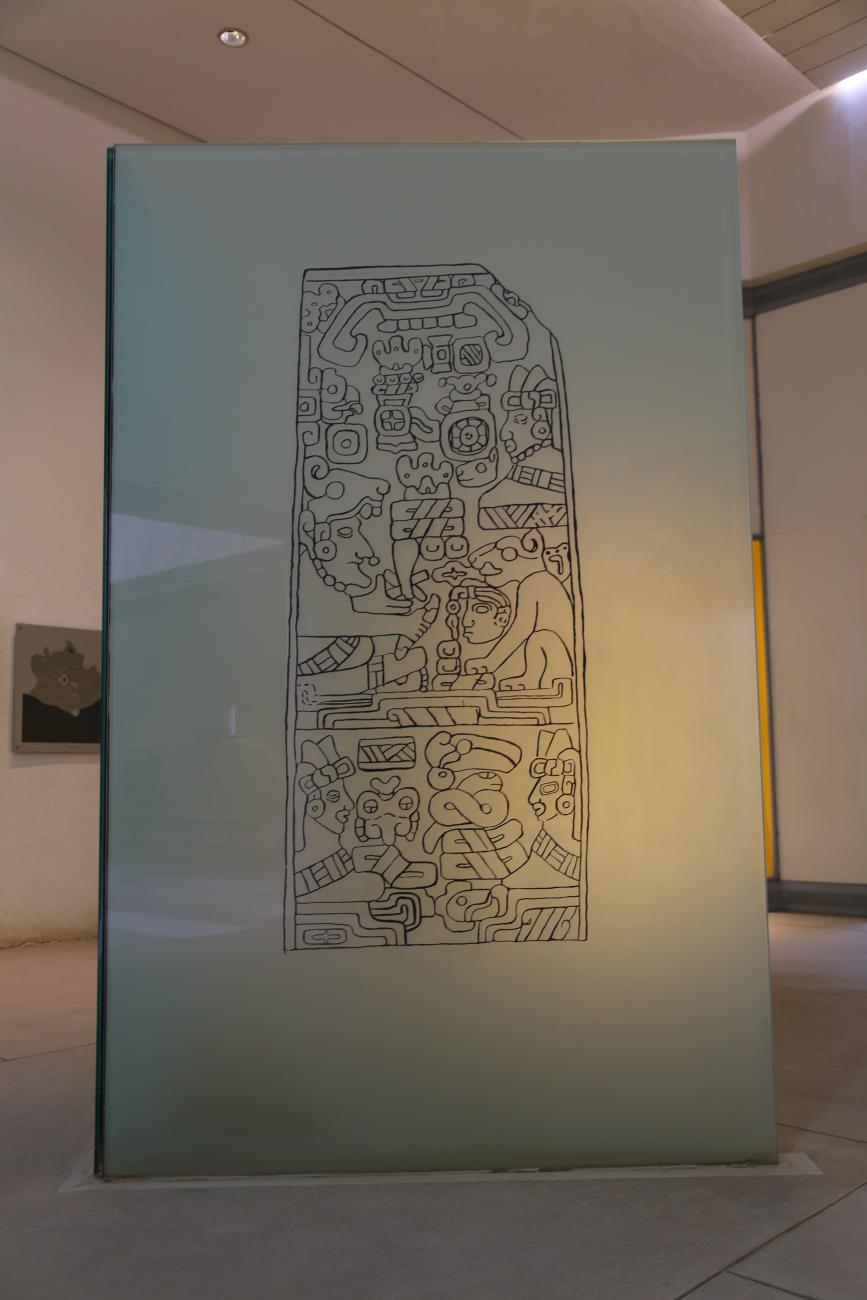

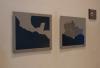

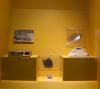
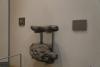
The Zapotec people flourished in the Central Valleys of Oaxaca, with archaeological evidence suggesting their origins date back around 2,500 years. From this culture emerged Monte Albán, a city built on mountainous terrain that became the most significant pre-Hispanic urban center in the region.
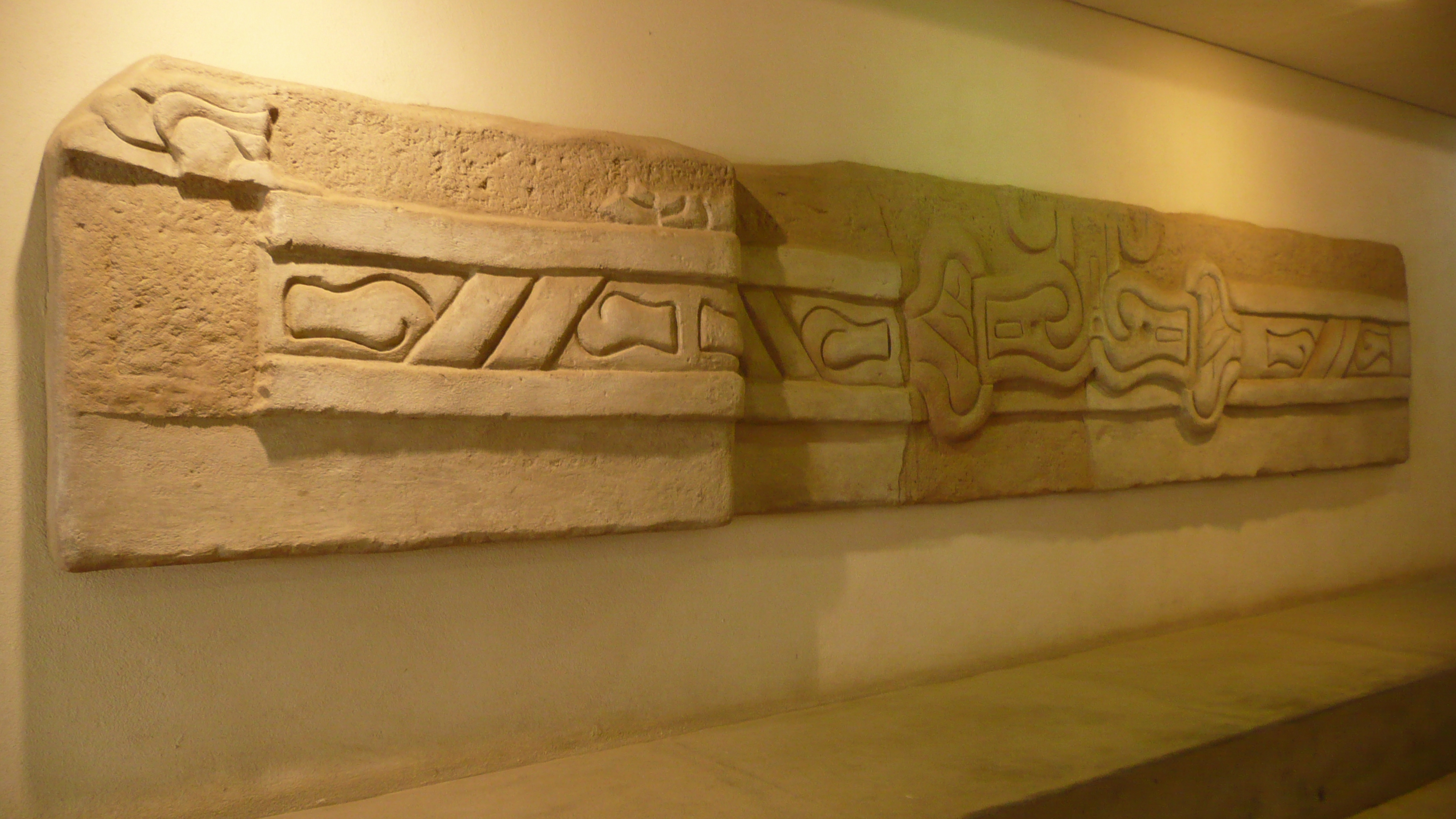
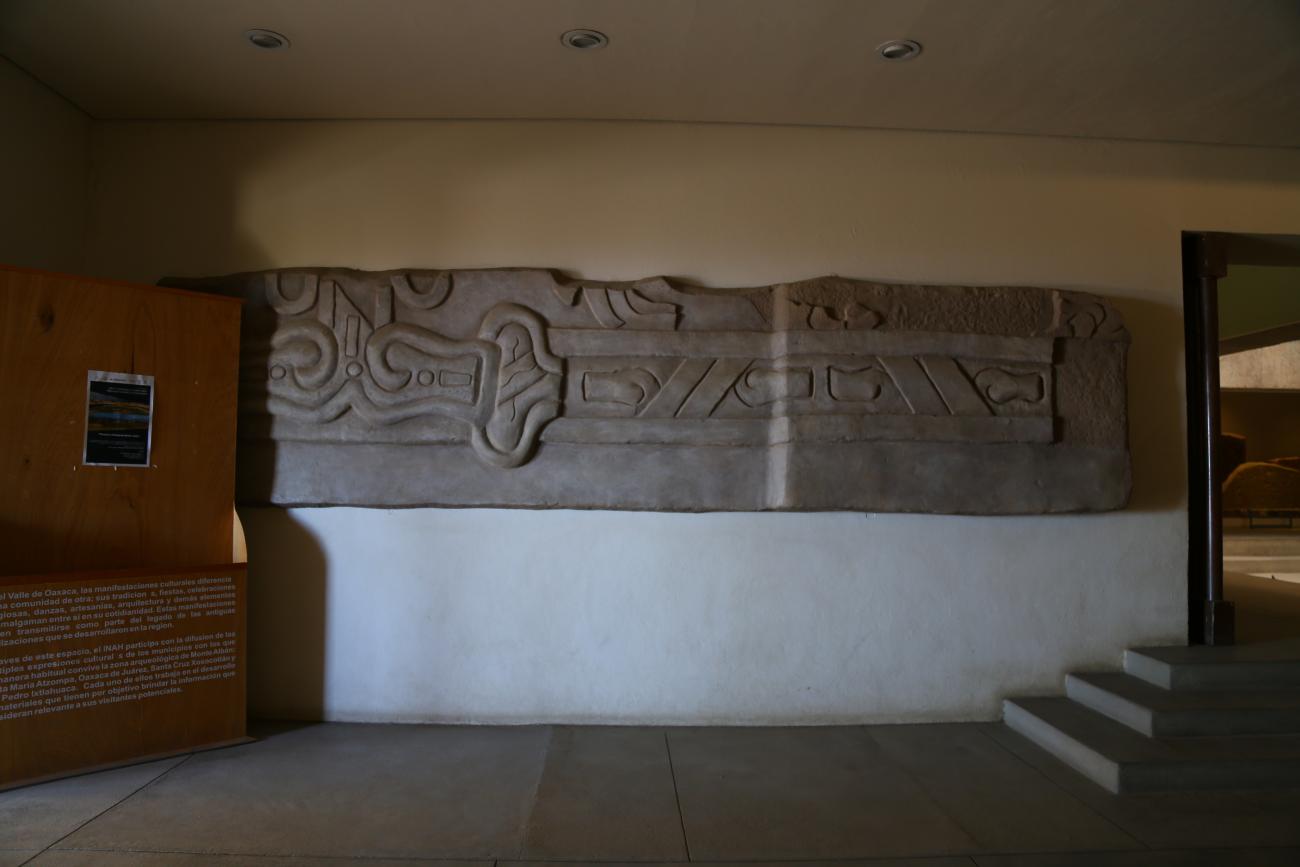
In this museum gallery, two display cases are featured: one containing an anthropomorphic urn from Tomb 1, and another with models illustrating Monte Albán’s monumental architecture, both residential and ceremonial. Visitors can also learn about the site's discovery and see a two-part frieze that once adorned the wall of a courtyard on the eastern end of the North Platform.
Area Two
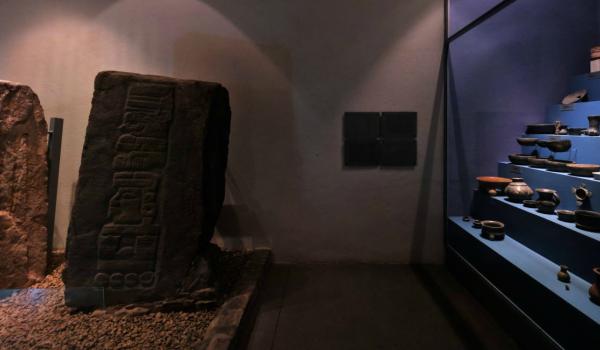
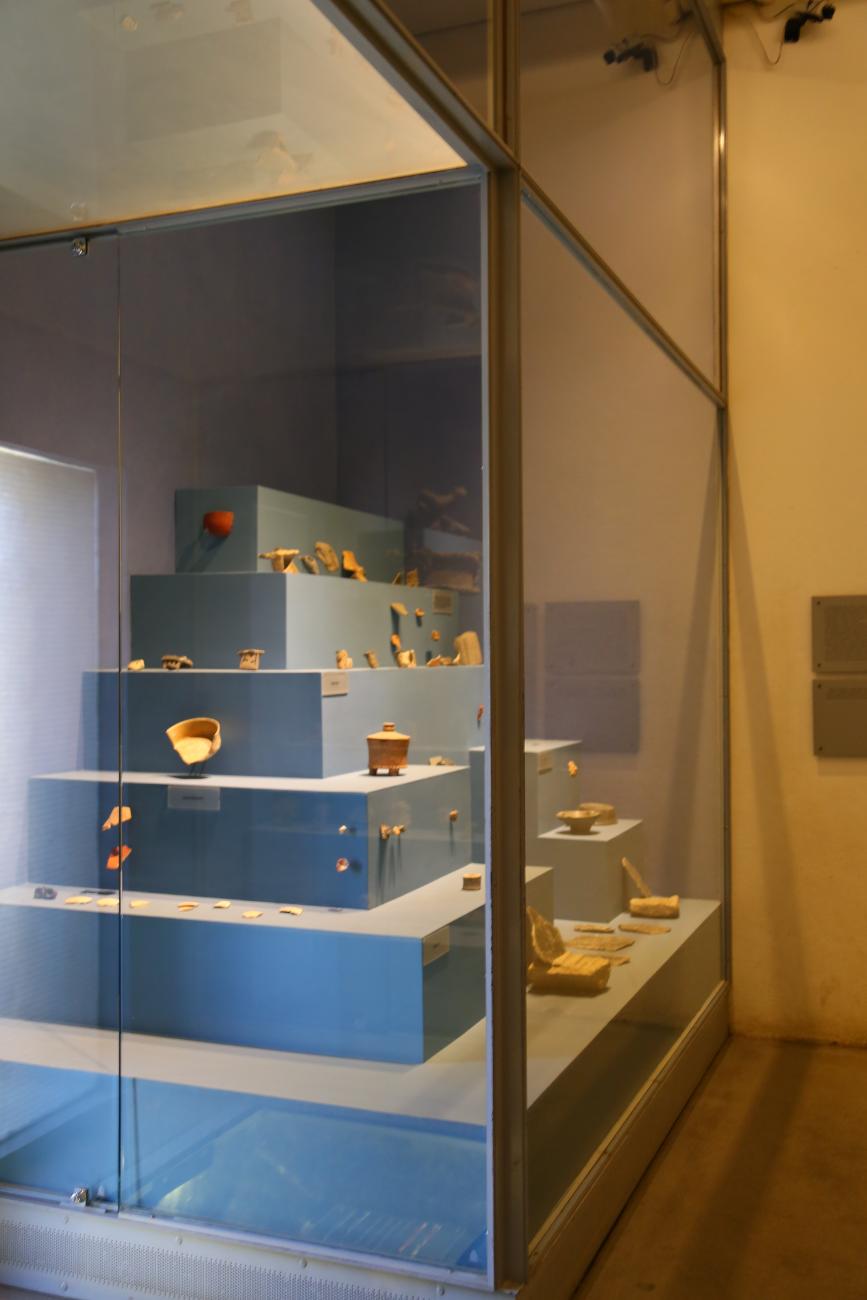
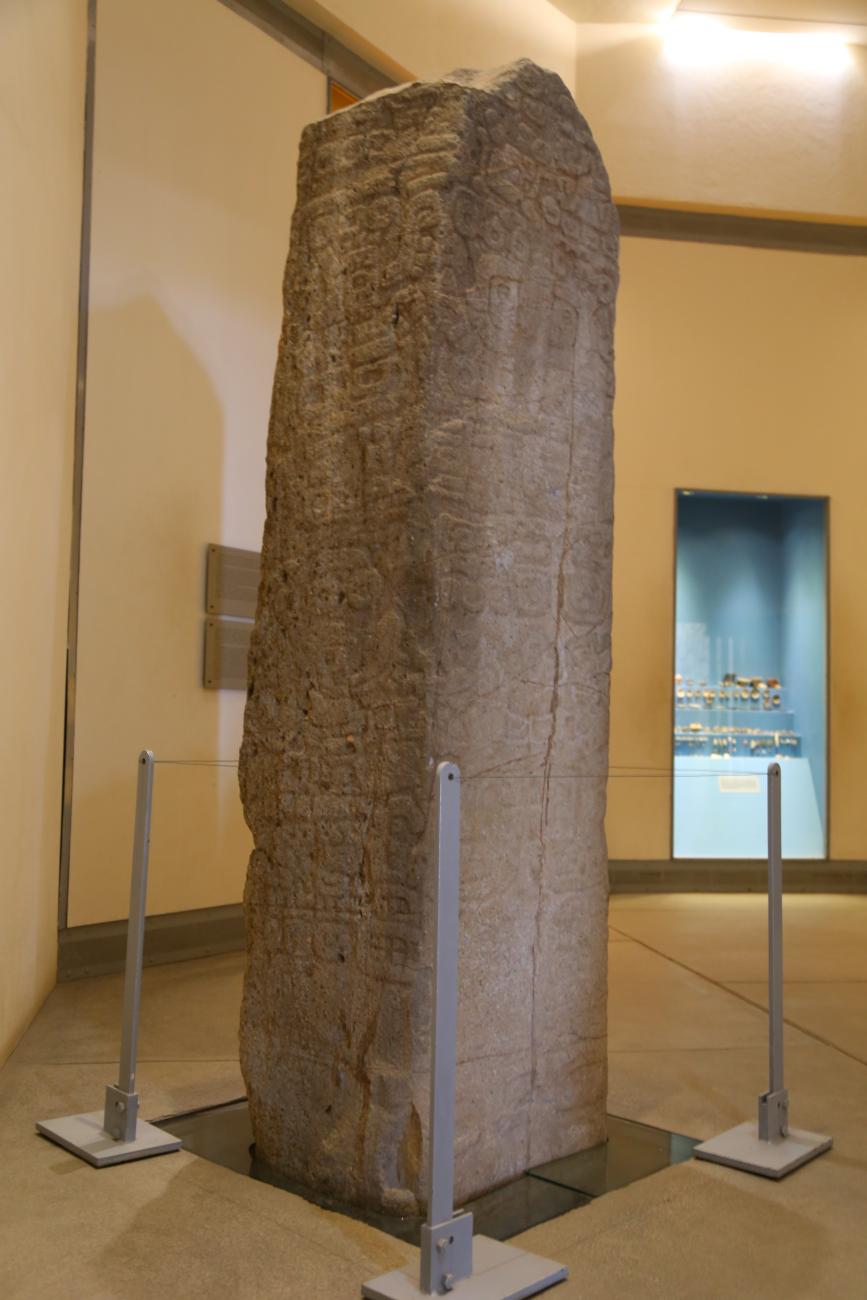
This area showcases Stelae 12 and 13, examples of the earliest known Zapotec writing. Two display cases are also present: the first shows the Zapotec ceramic sequence established by Alfonso Caso, while the second presents early figurines and urns found in residential areas of Monte Albán. A small…
Area Two
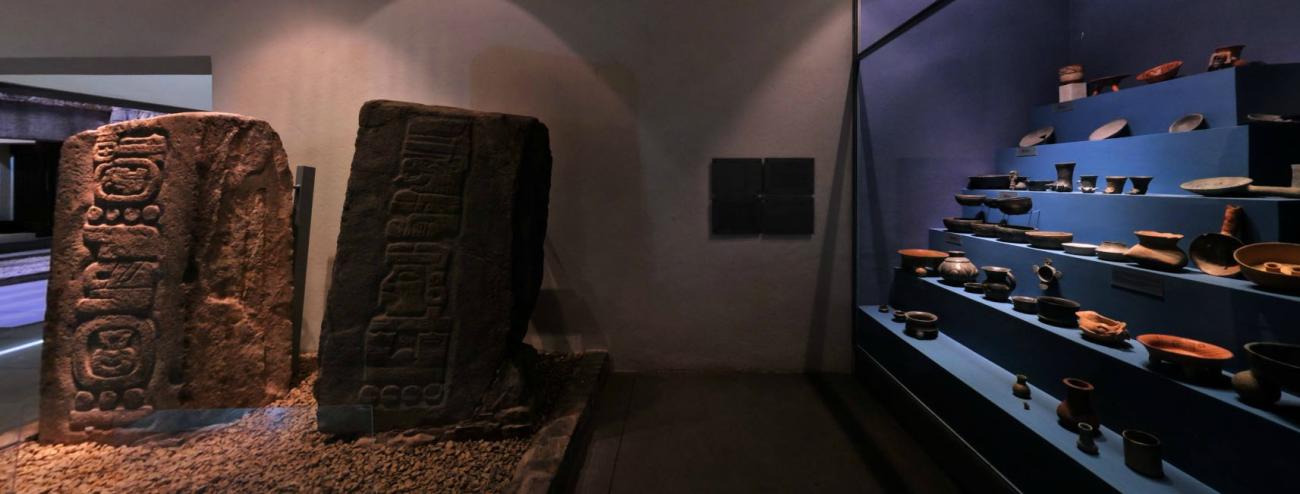
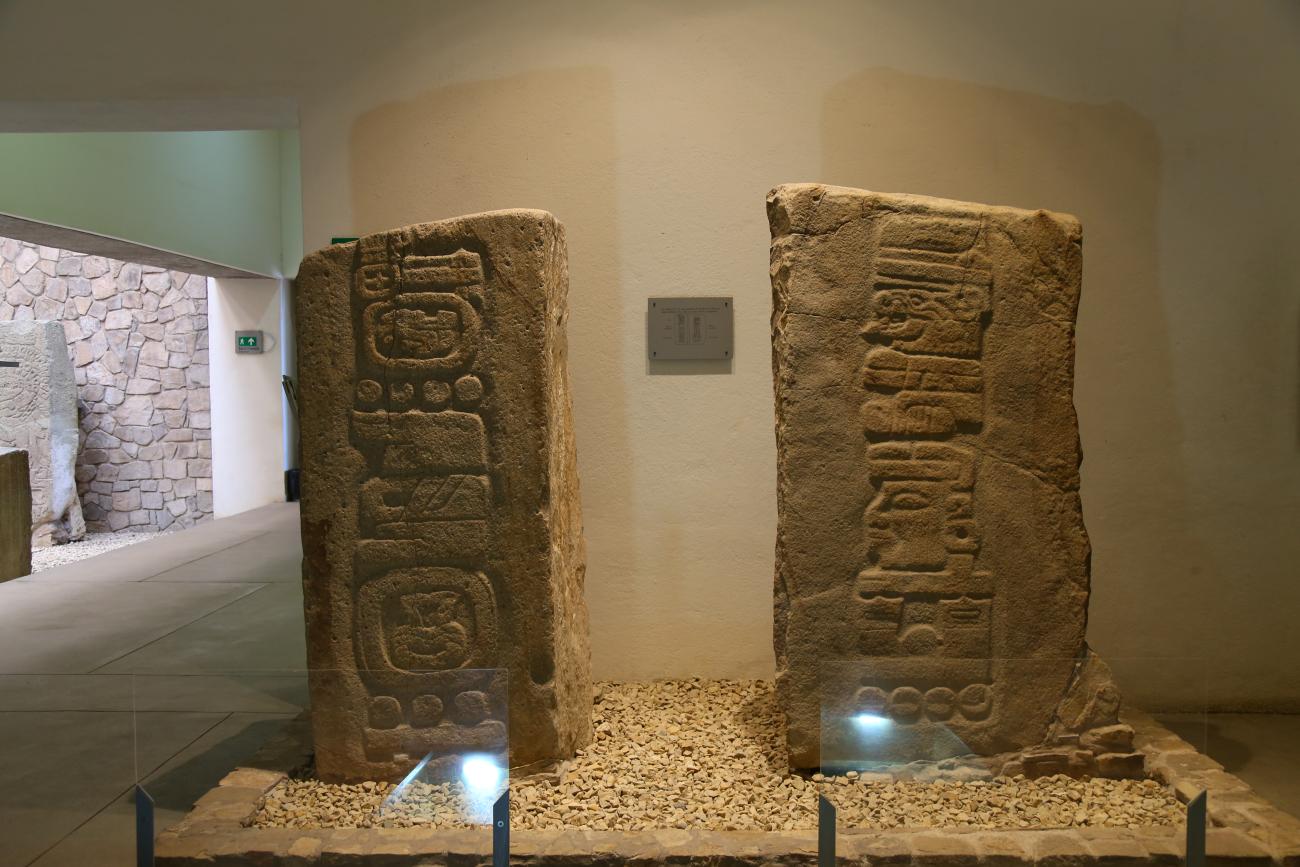
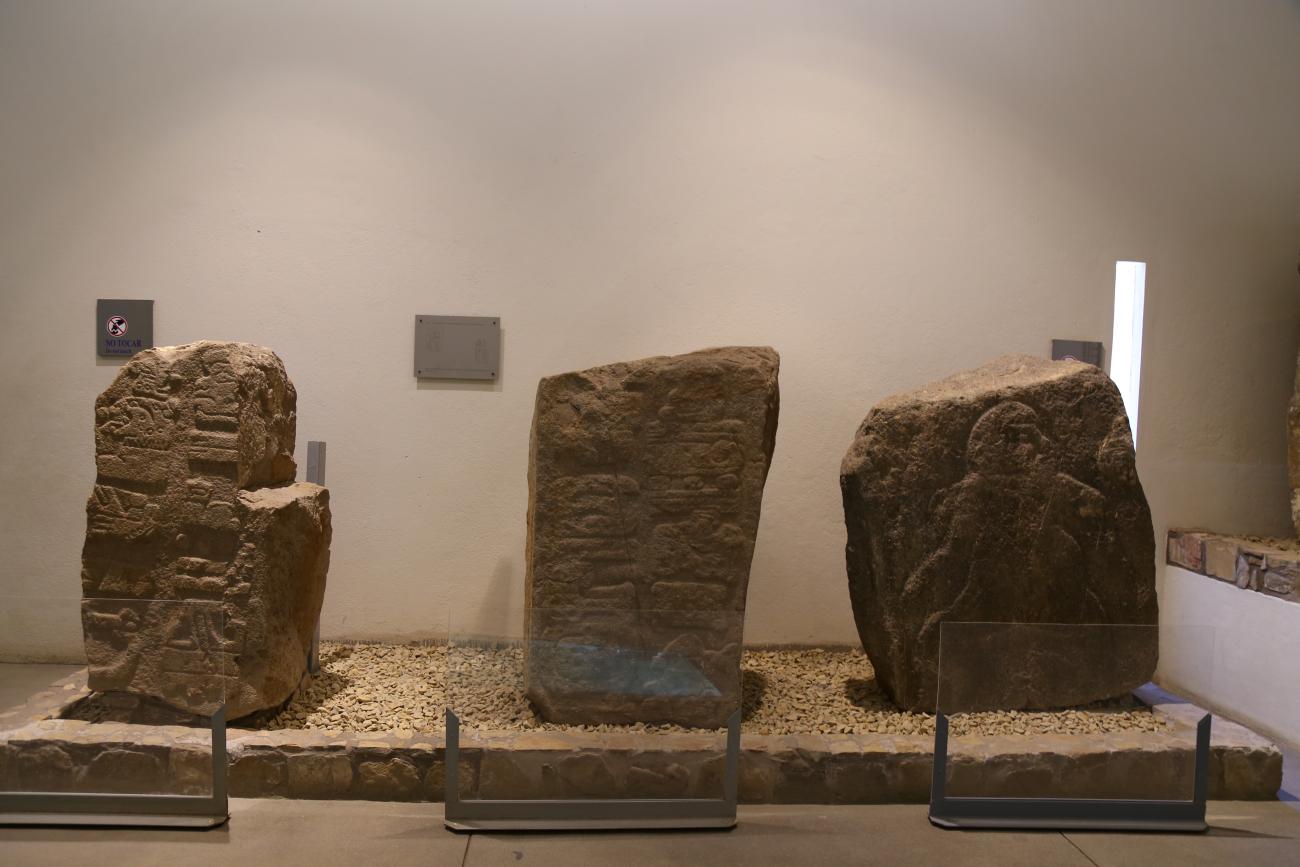
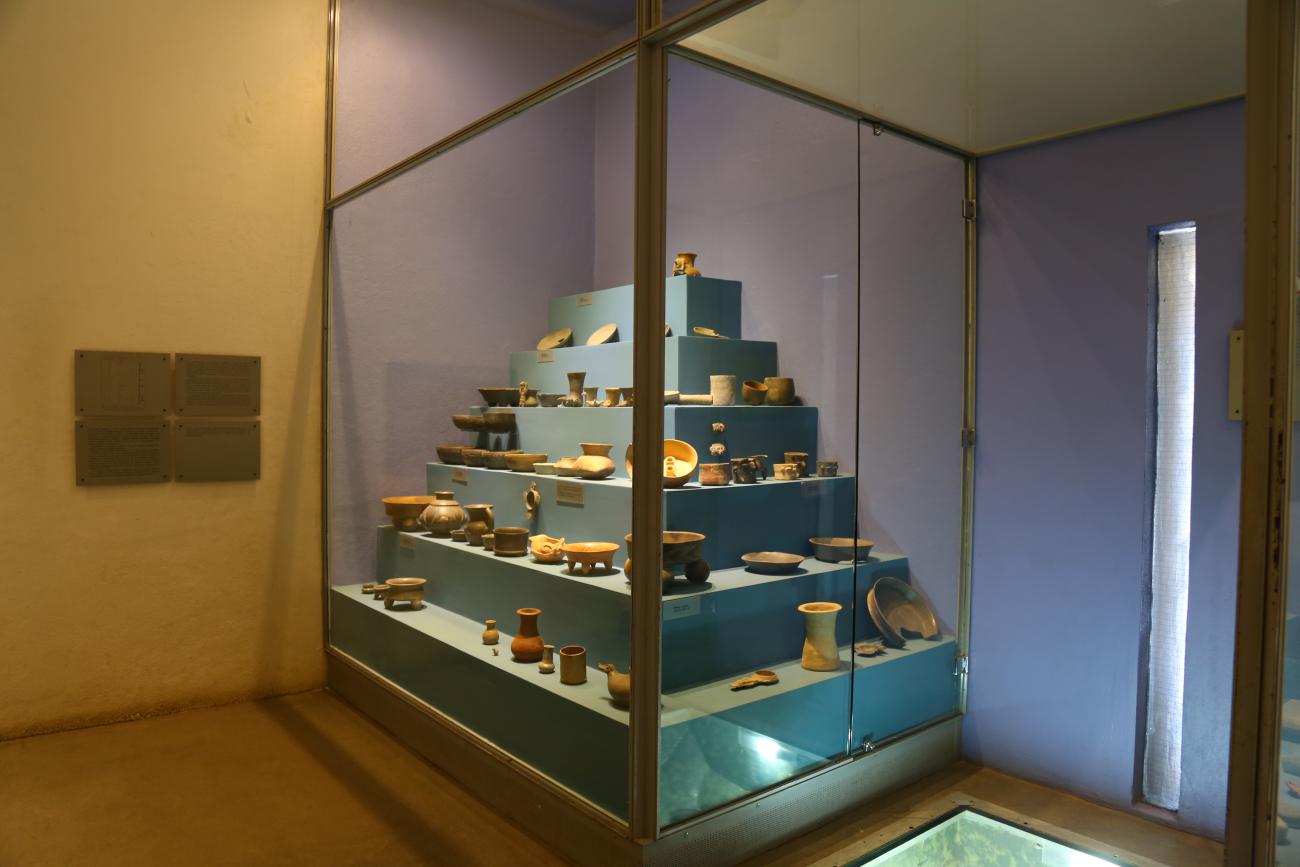
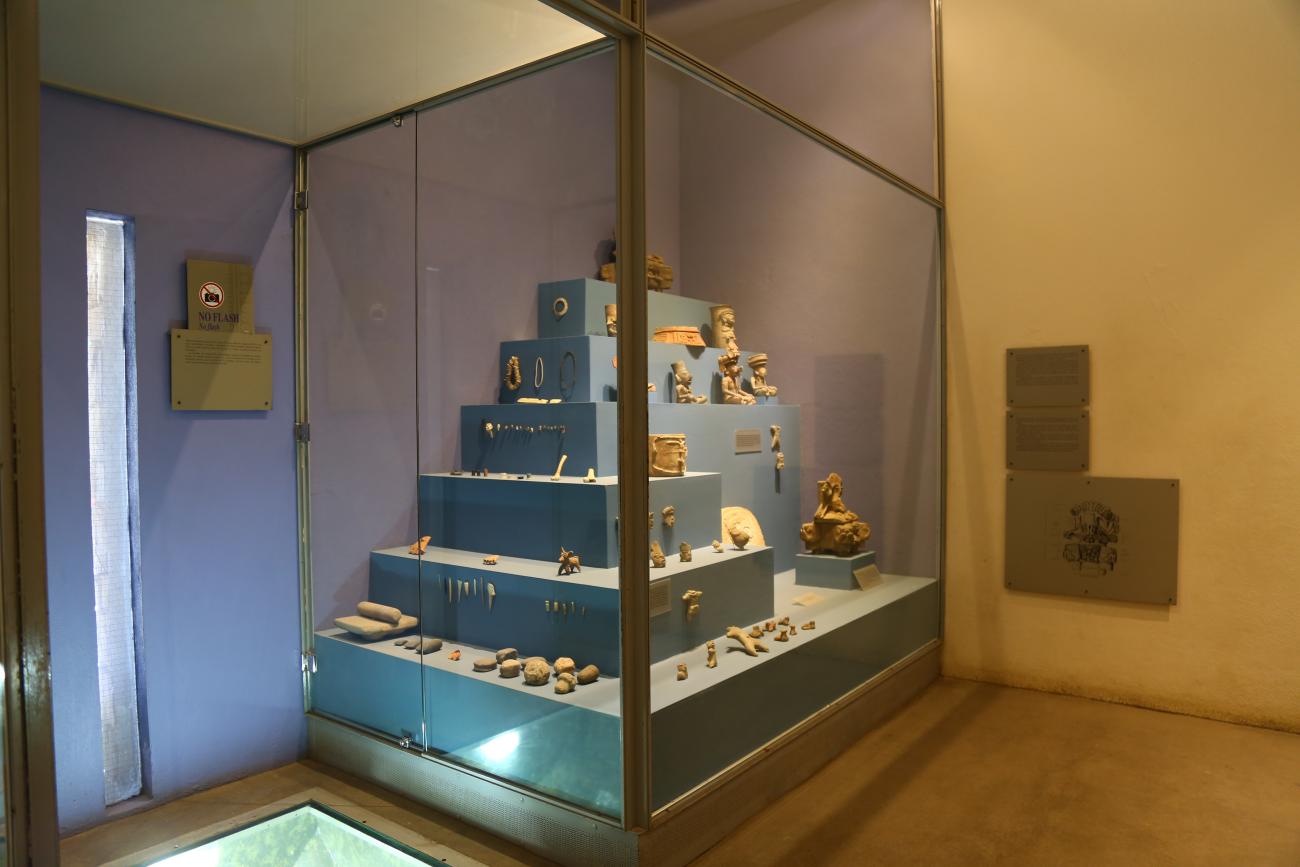
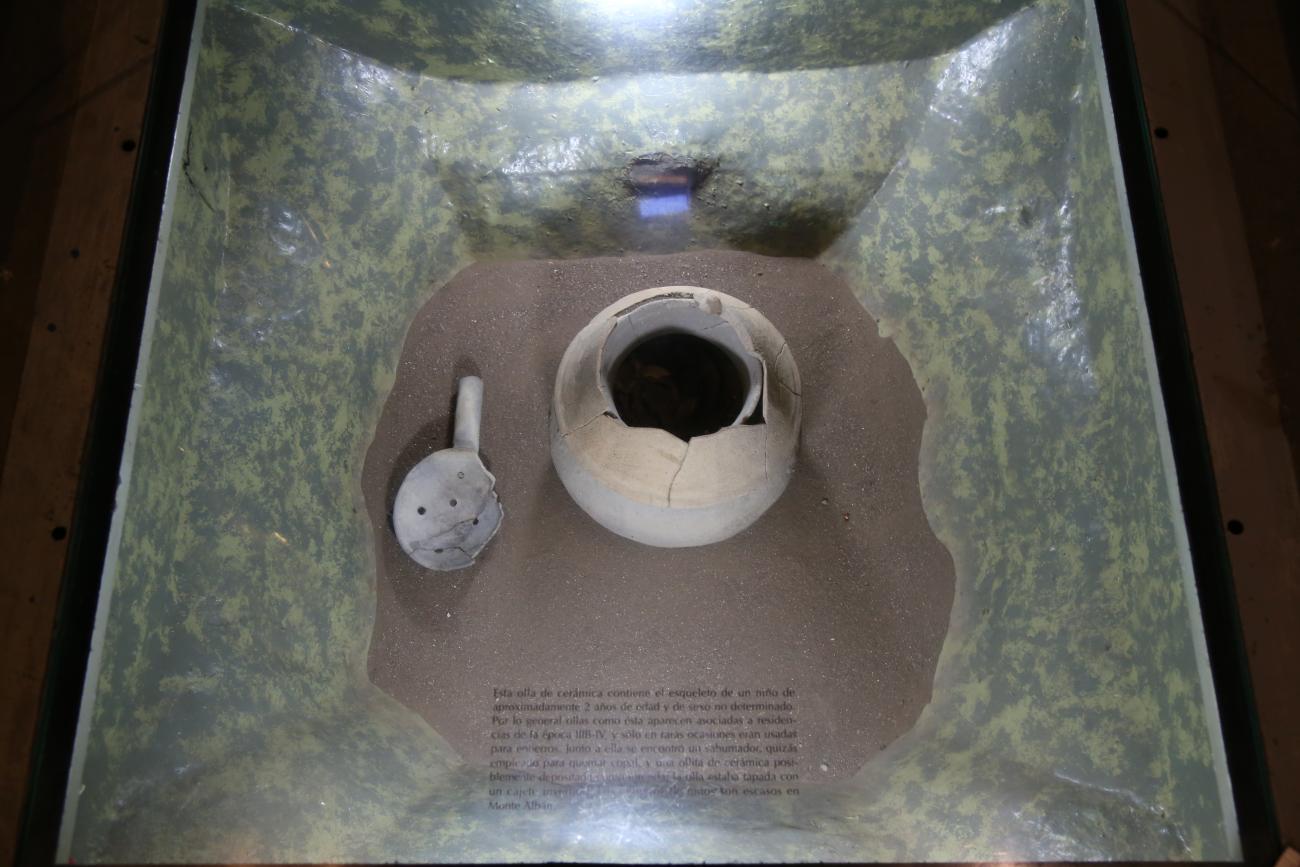
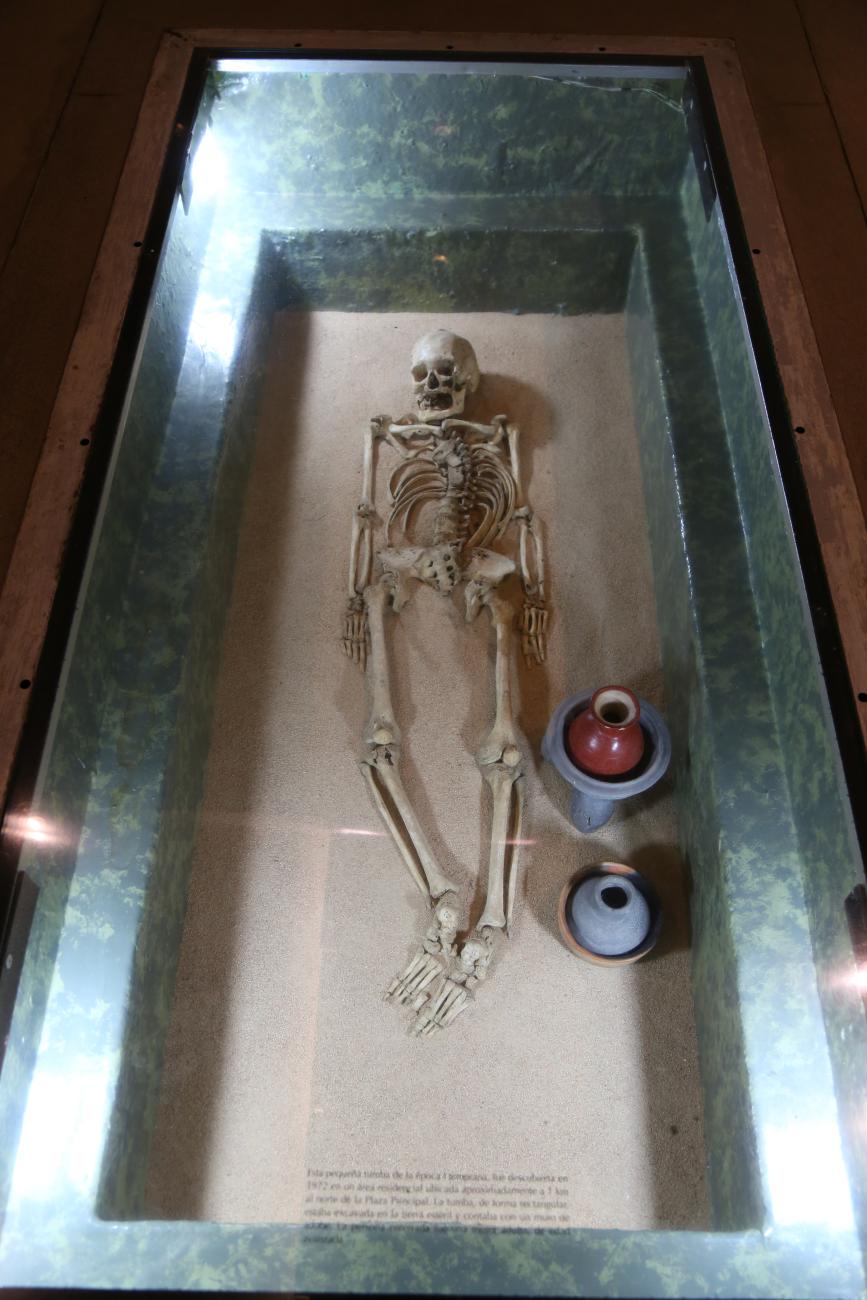

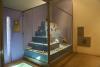
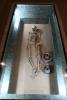
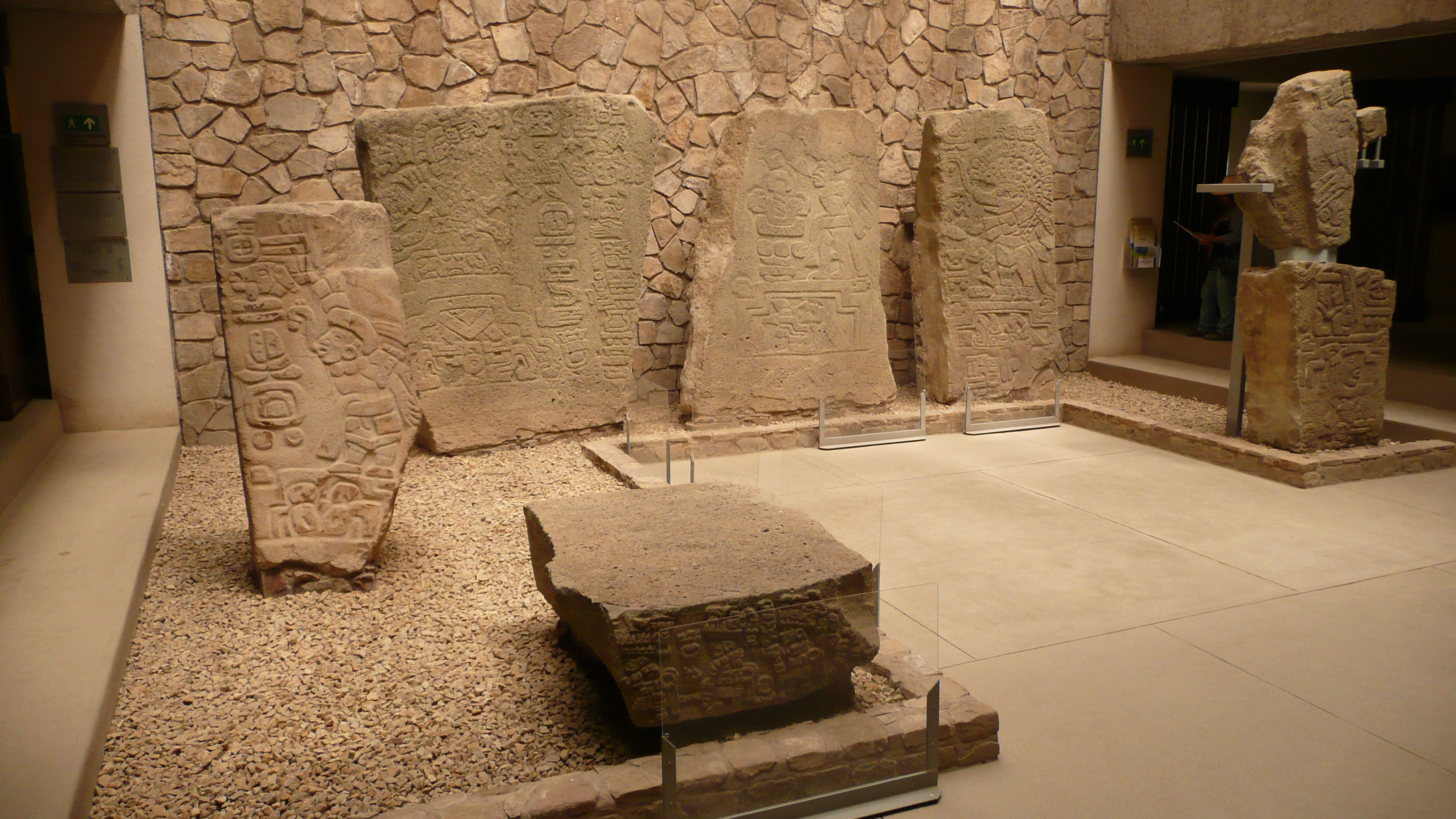
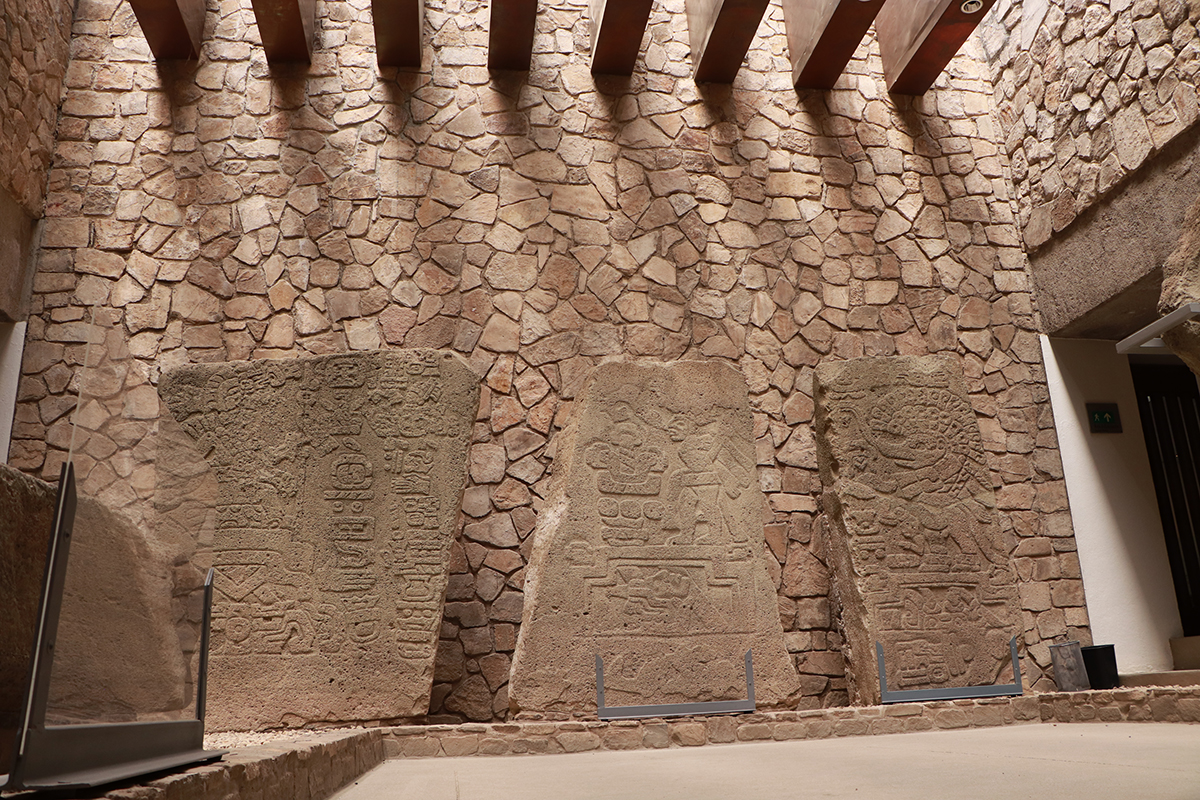
This area showcases Stelae 12 and 13, examples of the earliest known Zapotec writing. Two display cases are also present: the first shows the Zapotec ceramic sequence established by Alfonso Caso, while the second presents early figurines and urns found in residential areas of Monte Albán. A small tomb from the Early Period I, discovered in 1972, is also on view.
Area Three
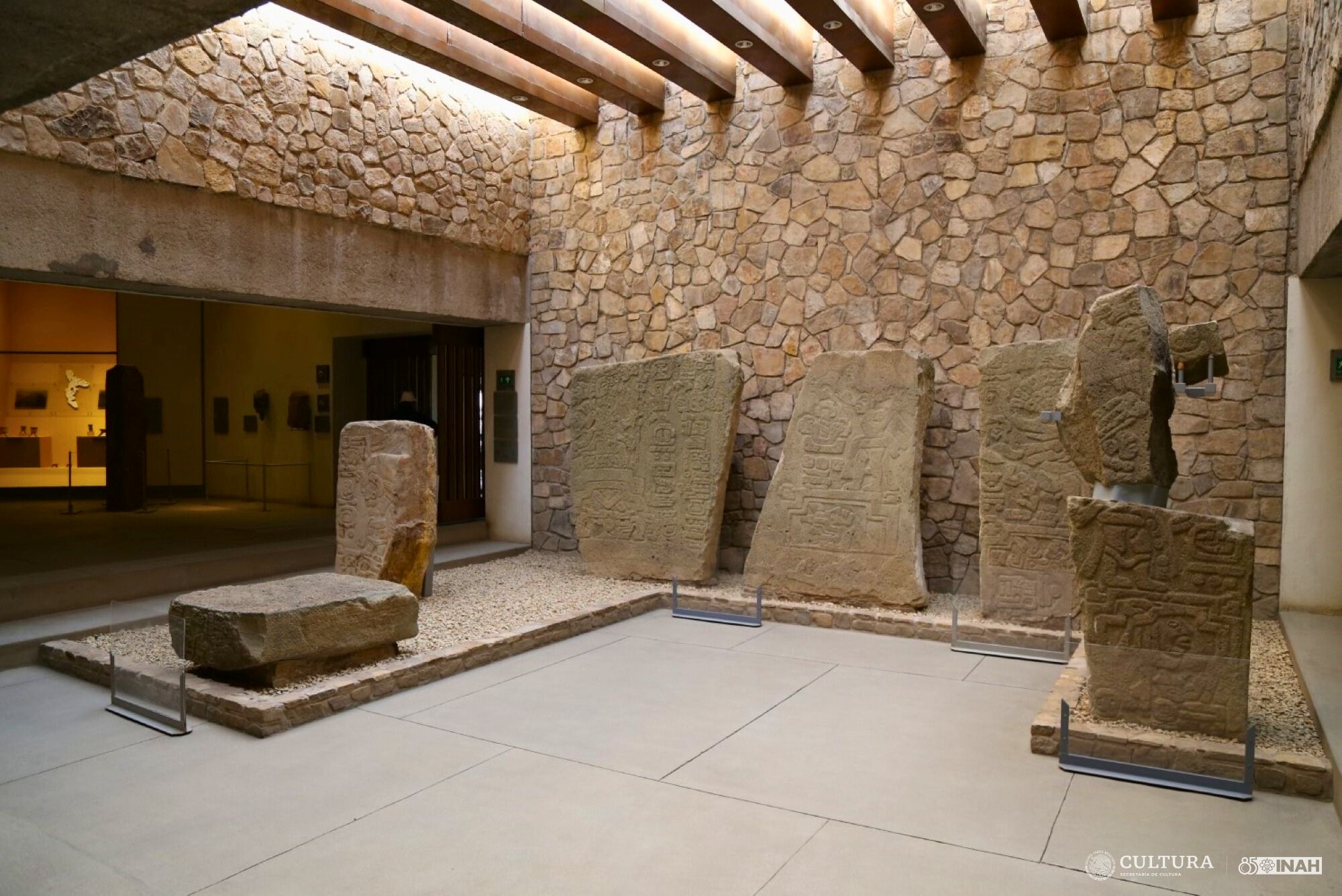
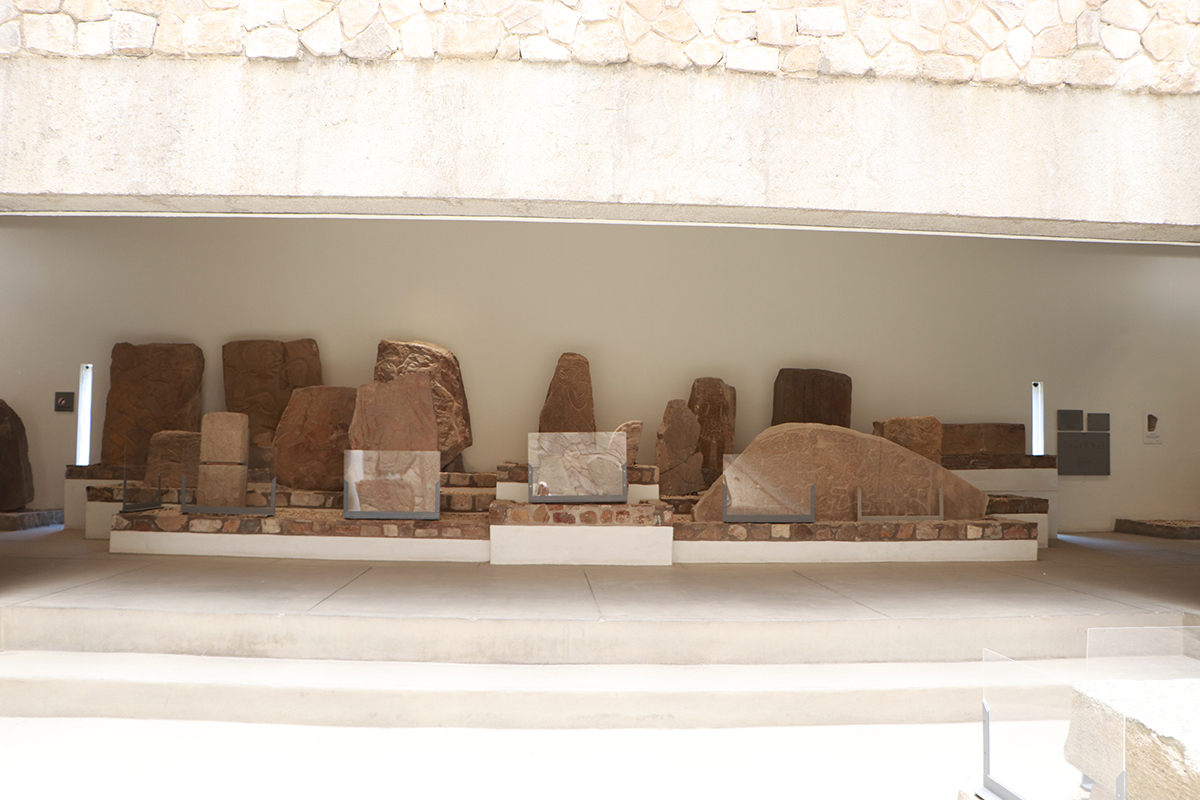
One of the most important sections is dedicated to Zapotec Writing, with 32 stelae carved with a variety of glyphs. This collection traces the evolution of their writing system, from simple symbols to more complex structures likely inspired by astronomical observation.This gallery also houses the…
Area Three
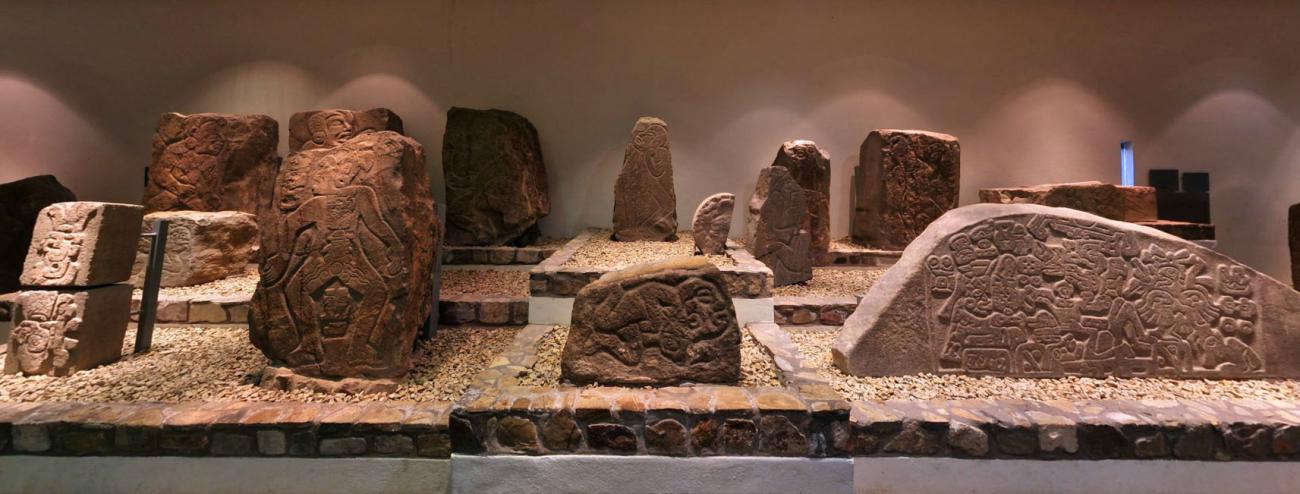
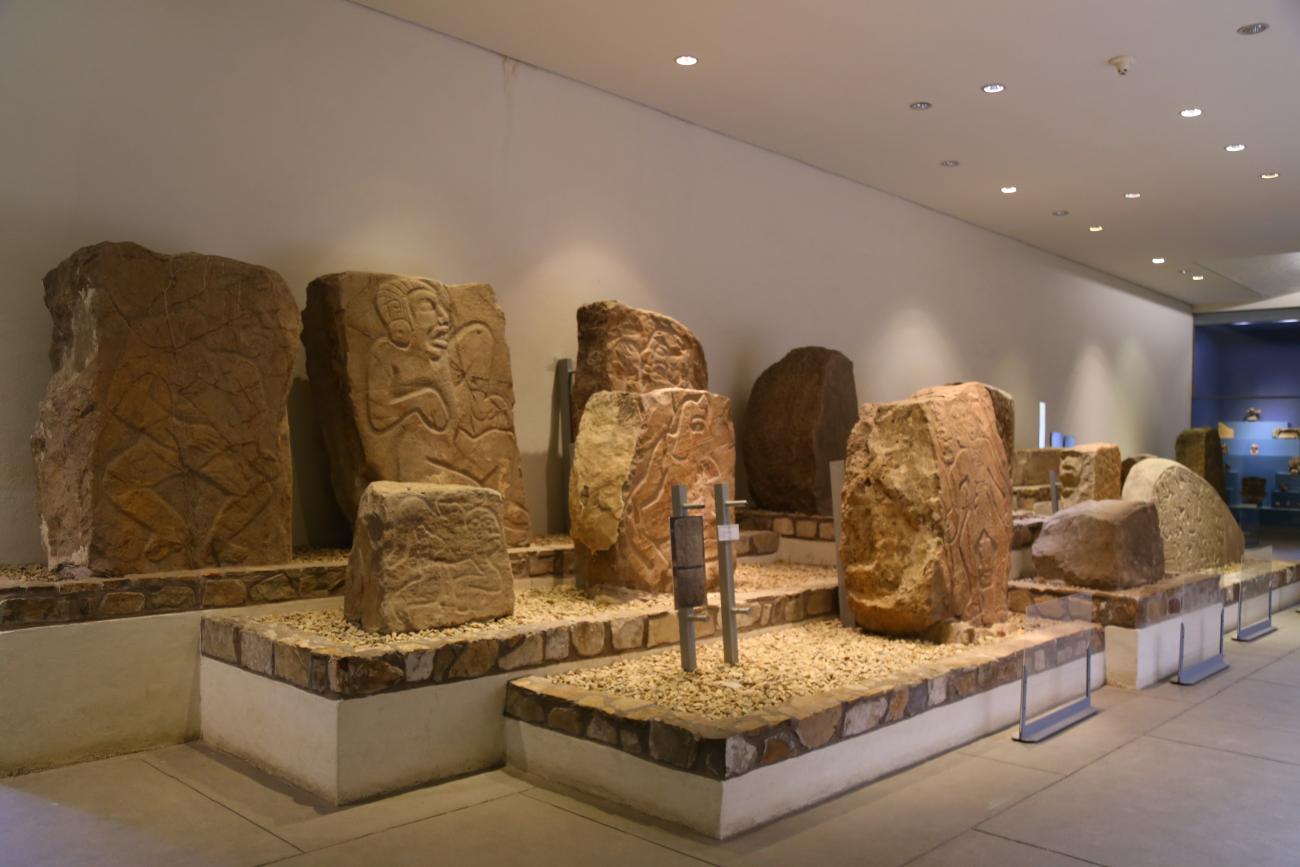
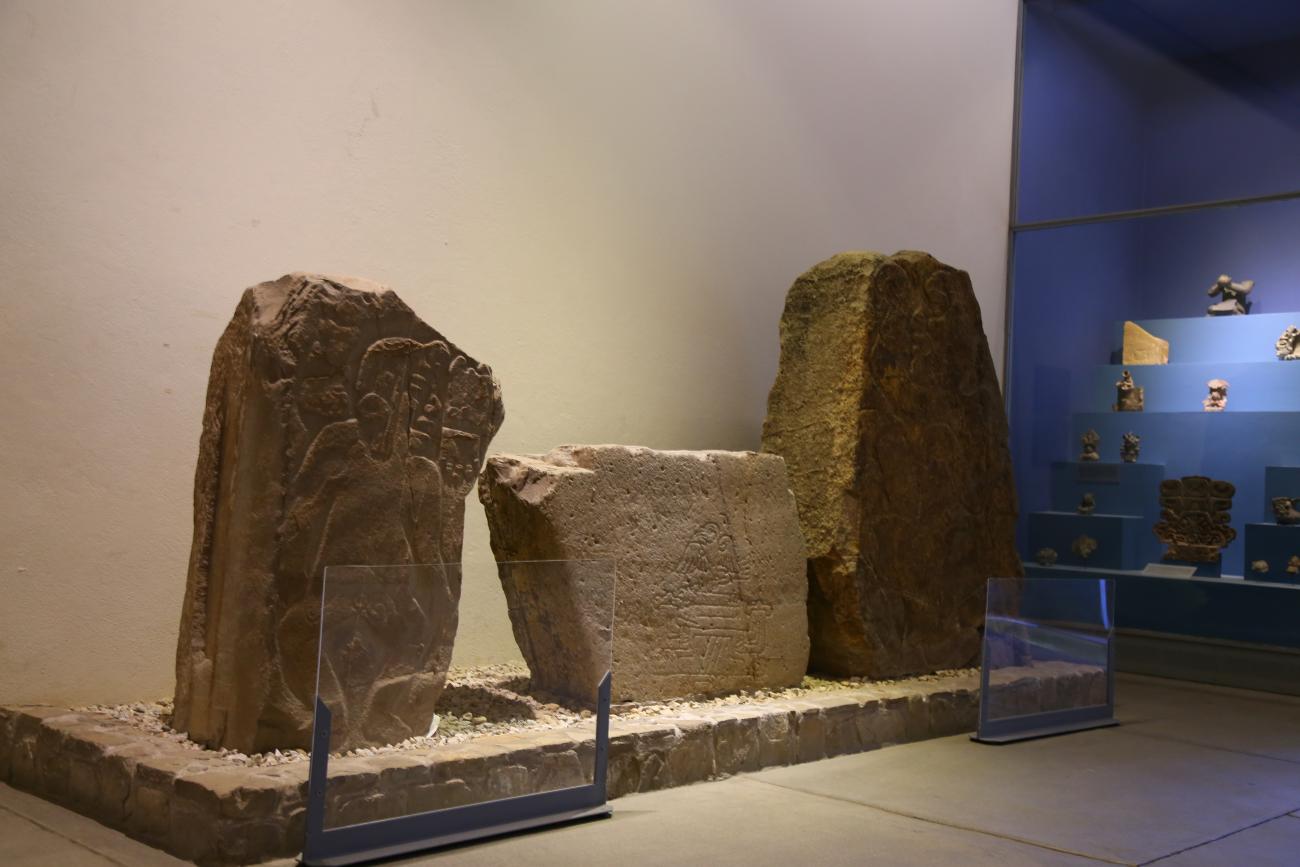

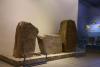
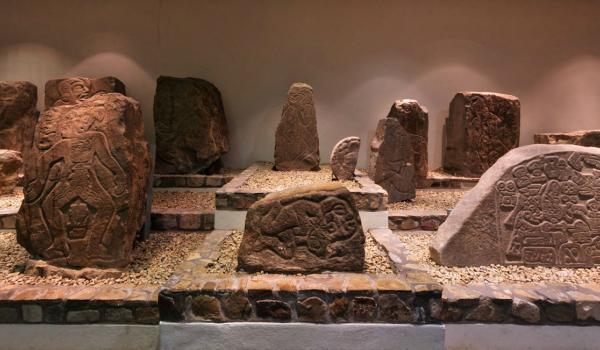
One of the most important sections is dedicated to Zapotec Writing, with 32 stelae carved with a variety of glyphs. This collection traces the evolution of their writing system, from simple symbols to more complex structures likely inspired by astronomical observation.
This gallery also houses the Danzantes, figures carved in stone with attributes of powerful natural beings, possibly linked to the early political foundations of the city.
Area Four
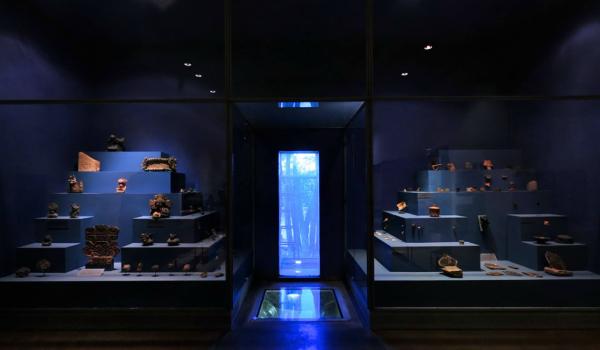
Here, visitors can see effigy vessels, figurines, and whistles found throughout the site, along with sculptures, ceramics, and mica of Teotihuacan style, demonstrating the strong trade and cultural exchange with the City of the Gods during Phase IIIB-IV.Also notable are the Conquest Slabs,…
Area Four
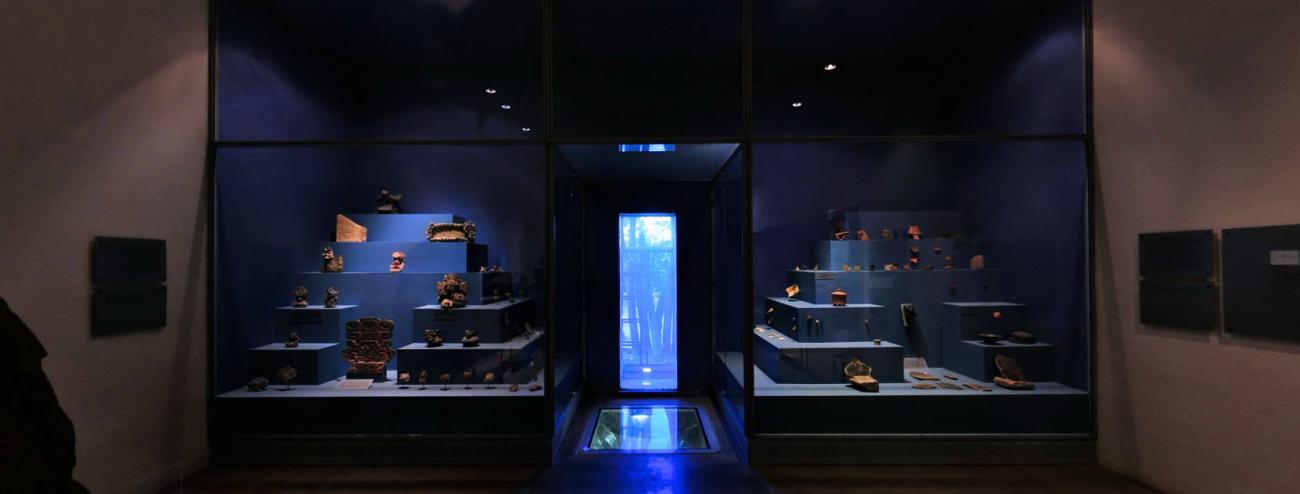
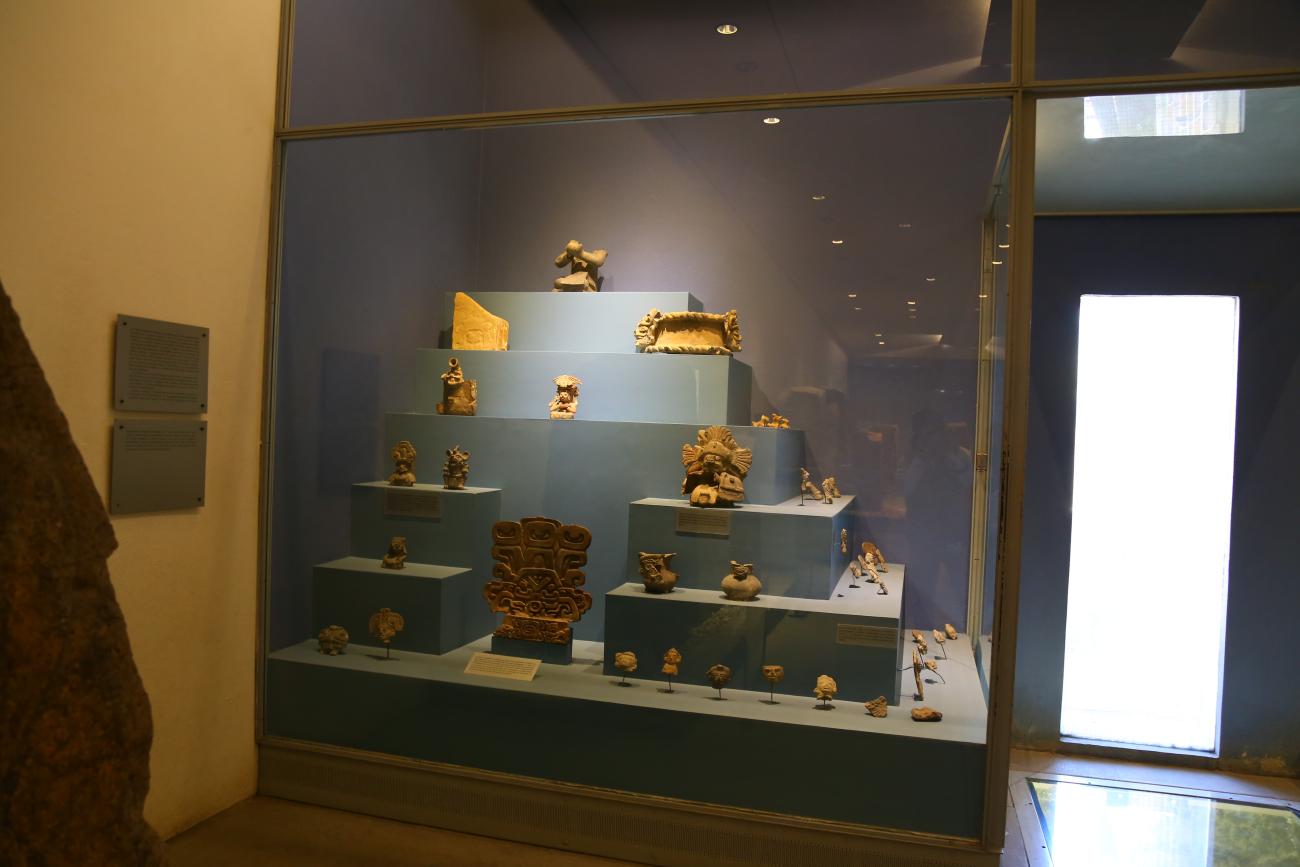

Here, visitors can see effigy vessels, figurines, and whistles found throughout the site, along with sculptures, ceramics, and mica of Teotihuacan style, demonstrating the strong trade and cultural exchange with the City of the Gods during Phase IIIB-IV.
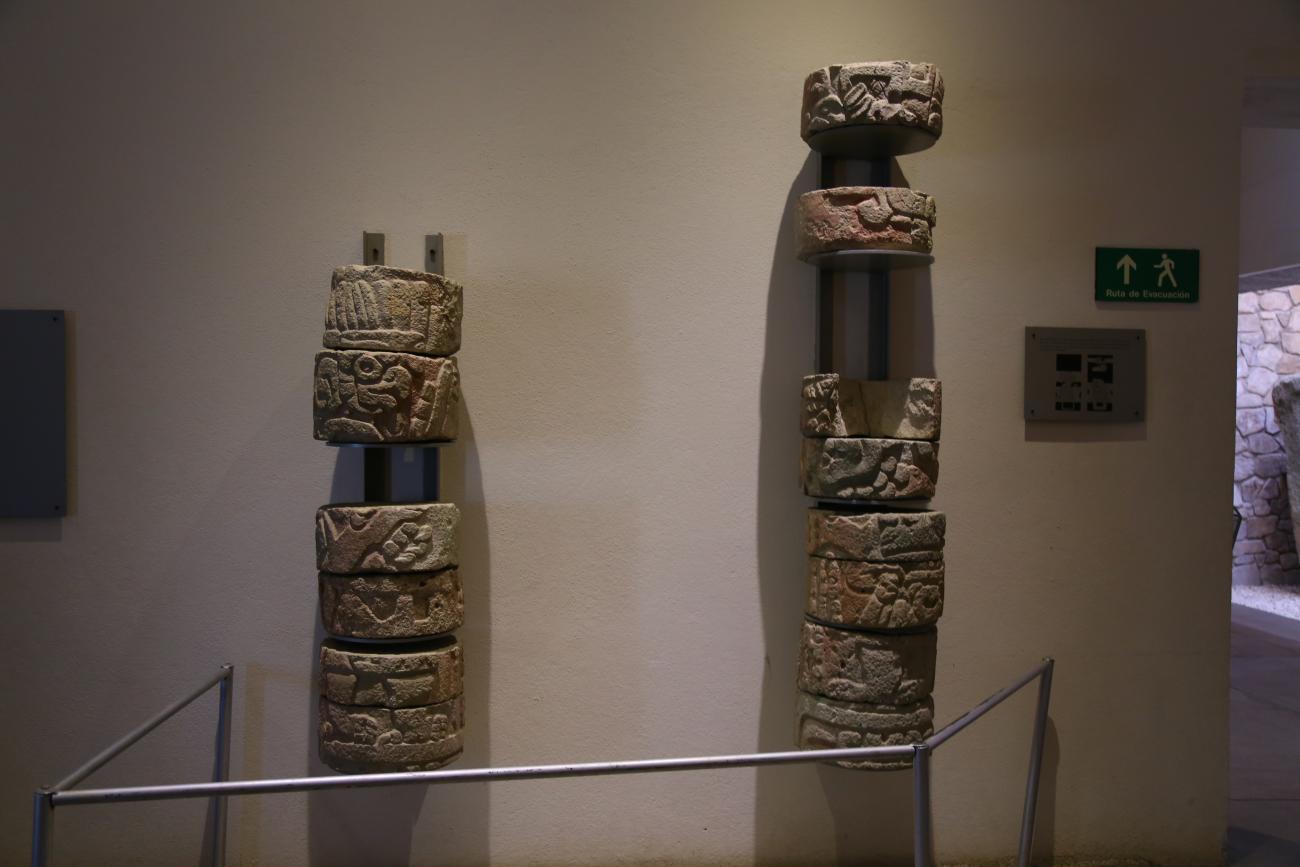
Also notable are the Conquest Slabs, monolithic stones that chronicle the history of Monte Albán. This group of 60 structures is located in the site's central courtyard.
Area Five
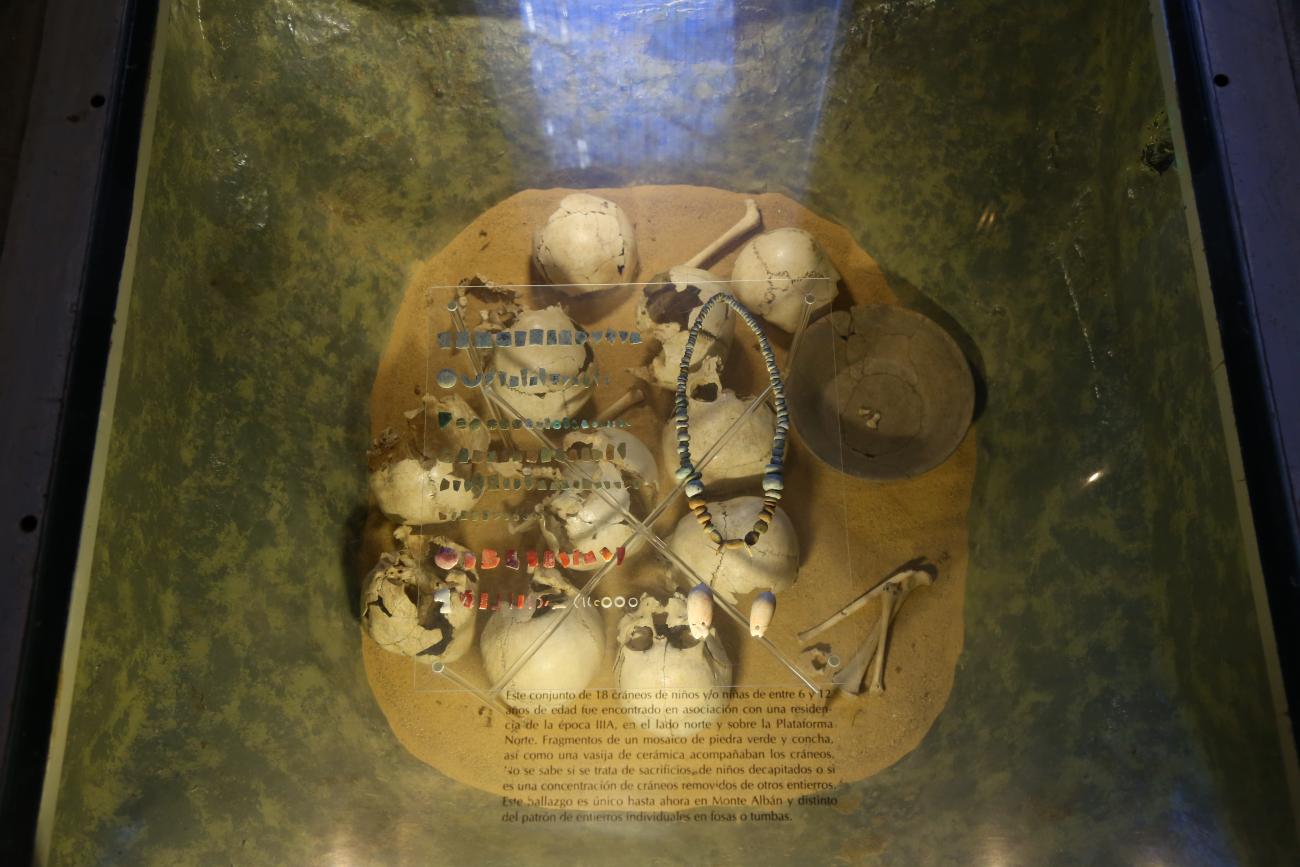
This section includes three display cases:The first contains skulls and bones that show evidence of common Zapotec practices such as cranial deformation, trepanation, dental mutilation, and stone inlays.The second features an offering deposit composed of miniature pottery, greenstone beads,…
Area Five
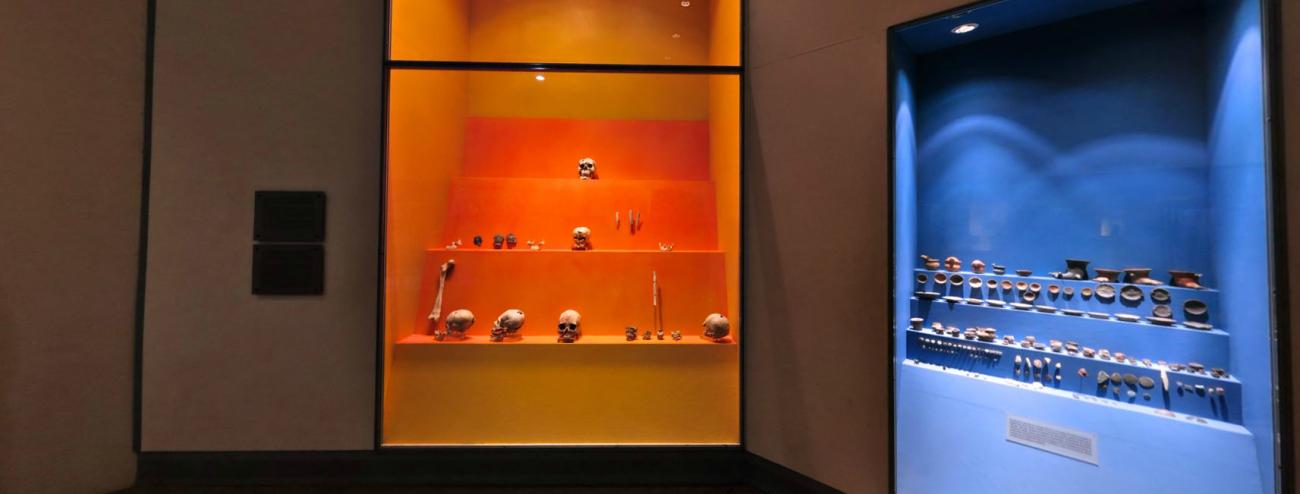
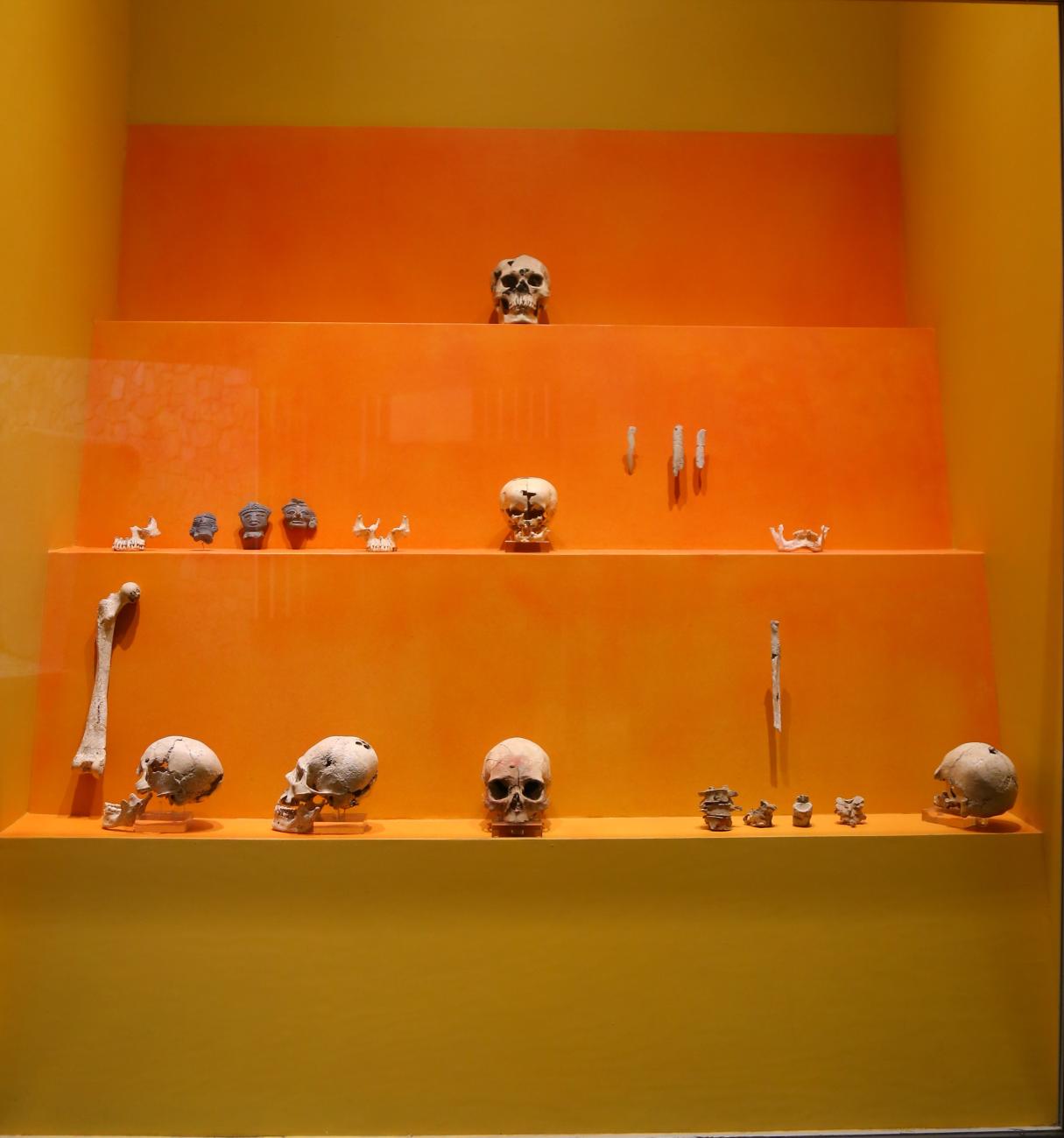
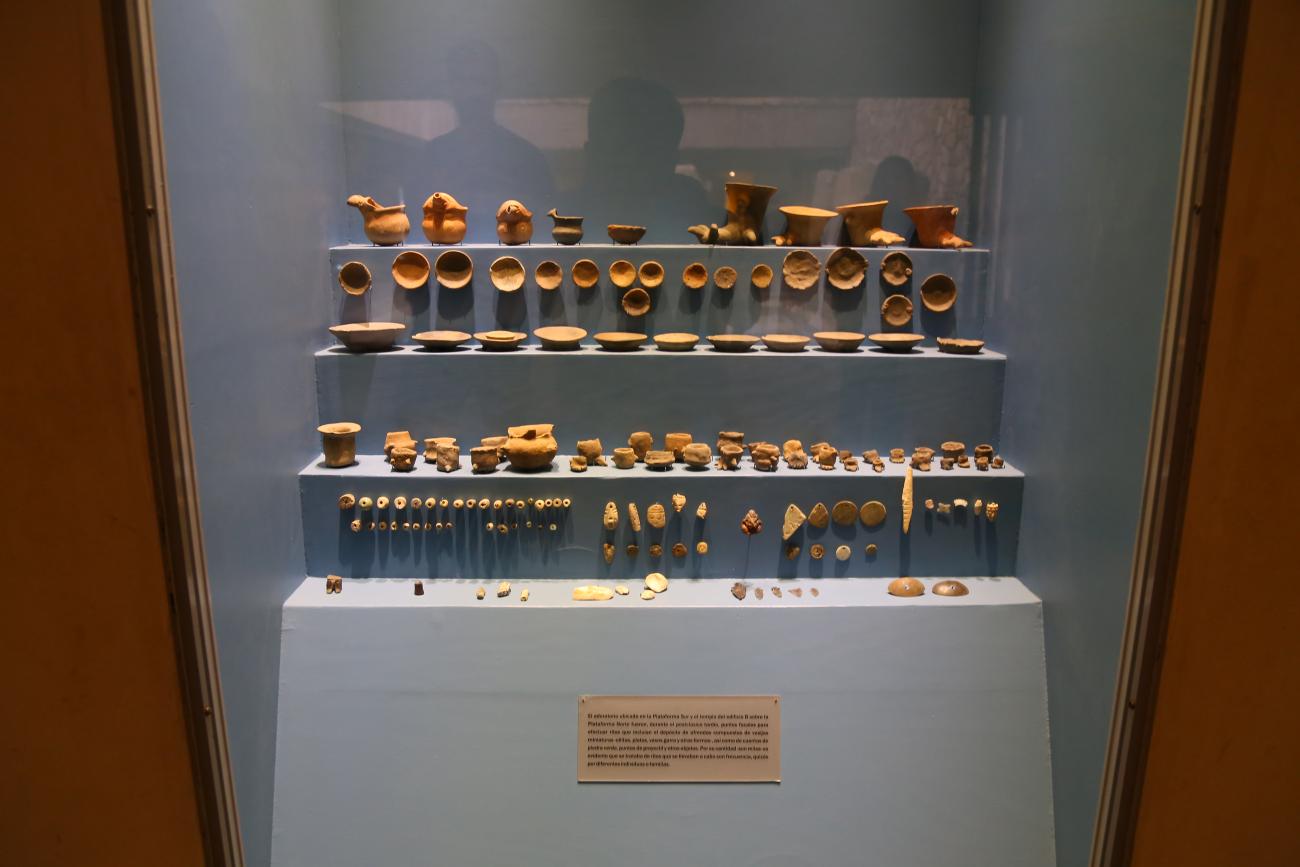
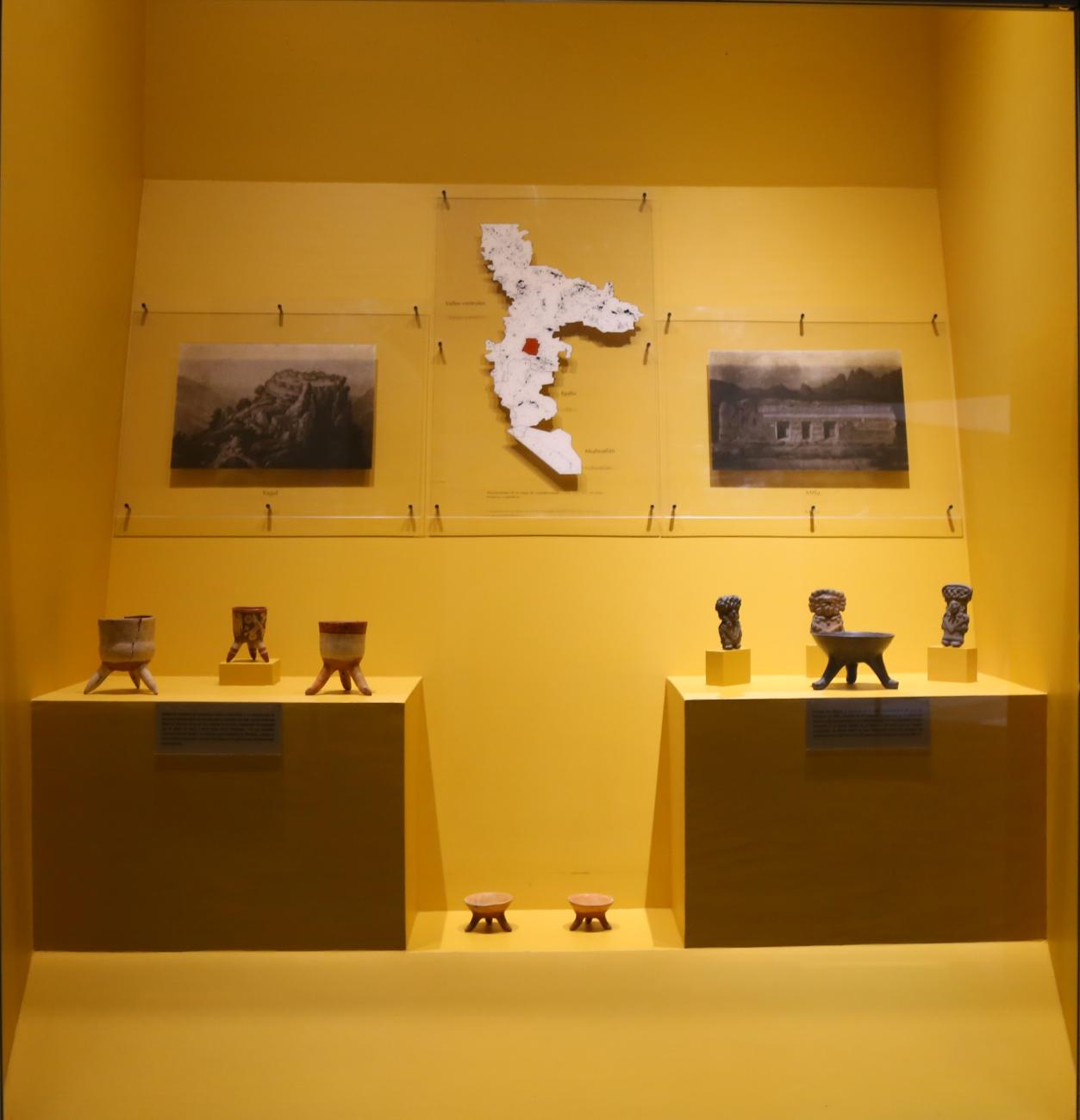
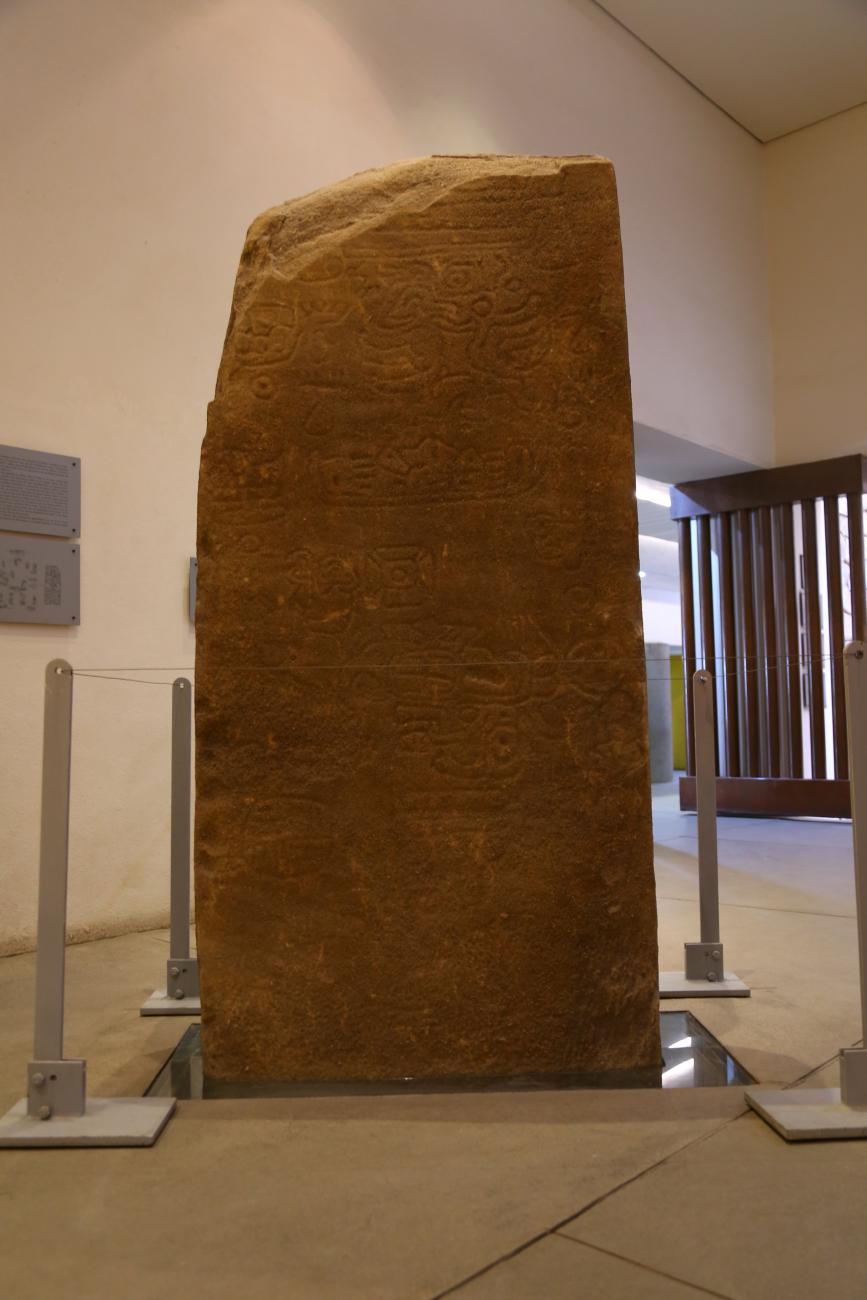
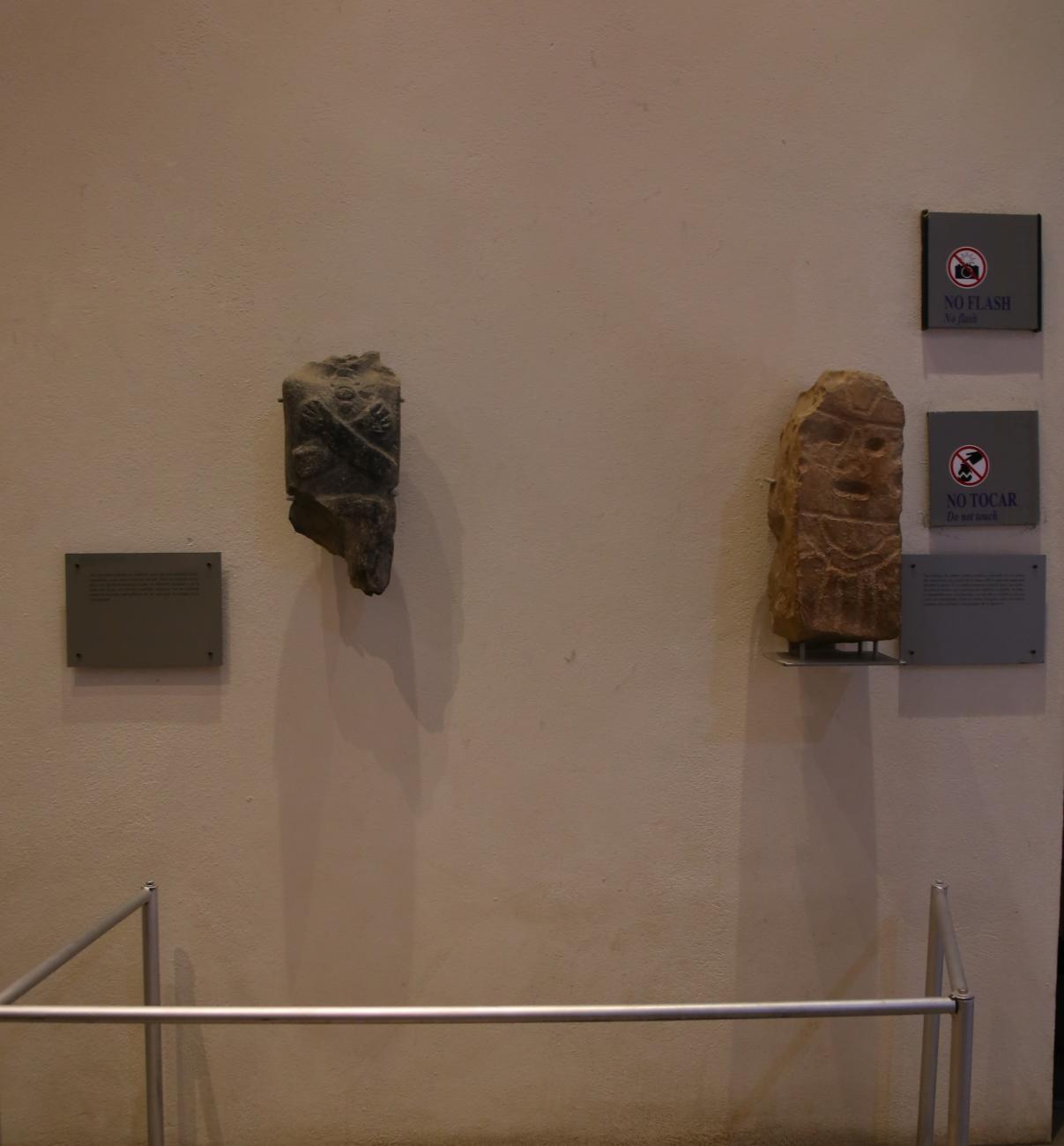


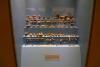
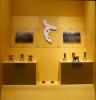
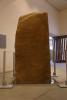
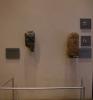
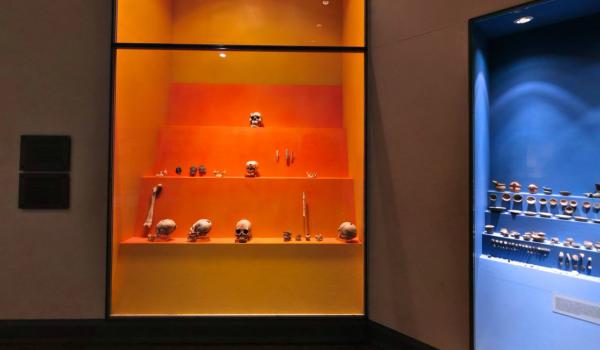
This section includes three display cases:
- The first contains skulls and bones that show evidence of common Zapotec practices such as cranial deformation, trepanation, dental mutilation, and stone inlays.
- The second features an offering deposit composed of miniature pottery, greenstone beads, projectile points, and other artifacts.
- The third displays vessels from two significant valley-floor communities east of Monte Albán: Yagul and Mitla.
Area Six
Around the year 500 CE (Phase IIIA or early IIIB-IV), the Zapotecs extracted large greenstone slabs (volcanic tuff, or "cantera") from quarries in the valley—possibly from Ixcotel near Oaxaca City or the Etla Valley—and brought them up to Monte Albán. Epigrapher Javier Urcid has identified a…
Area Six
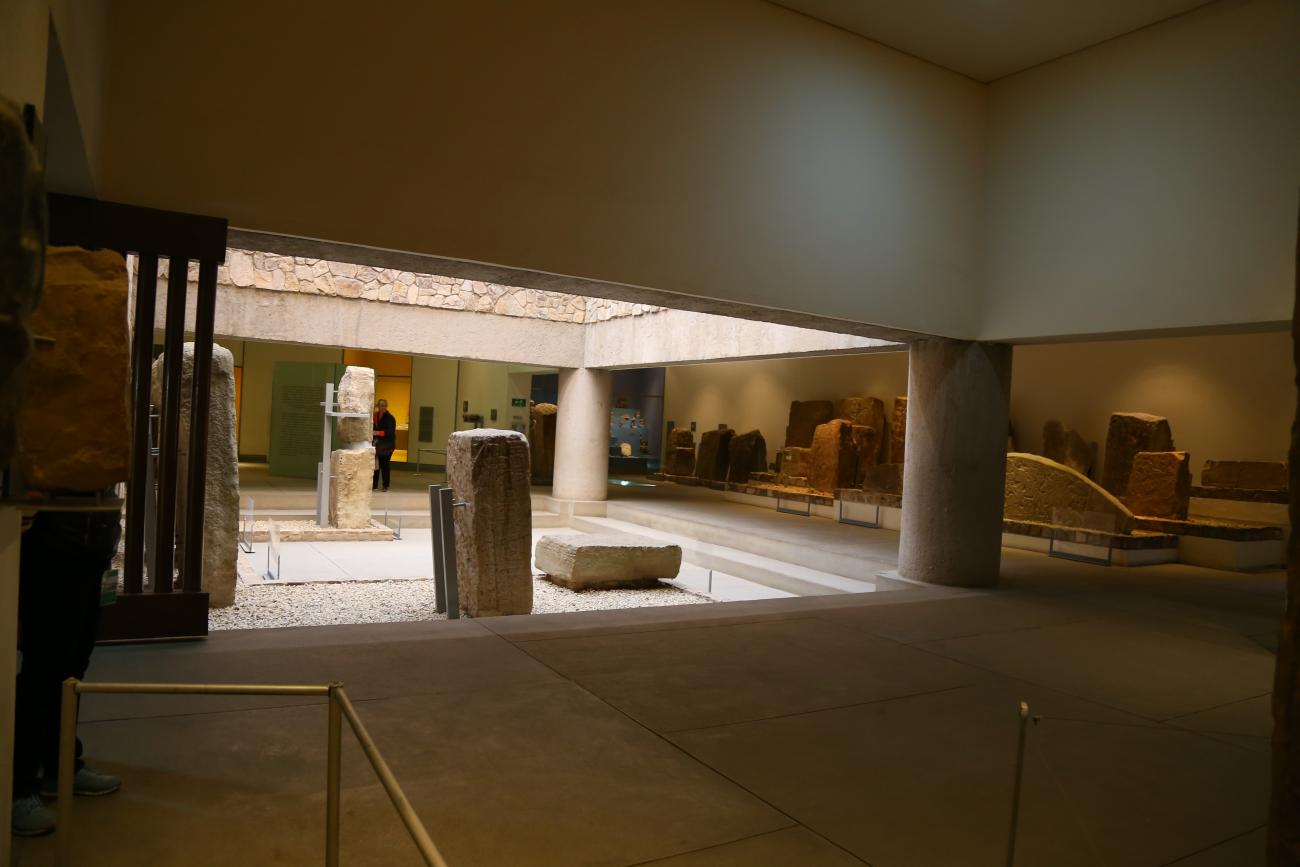
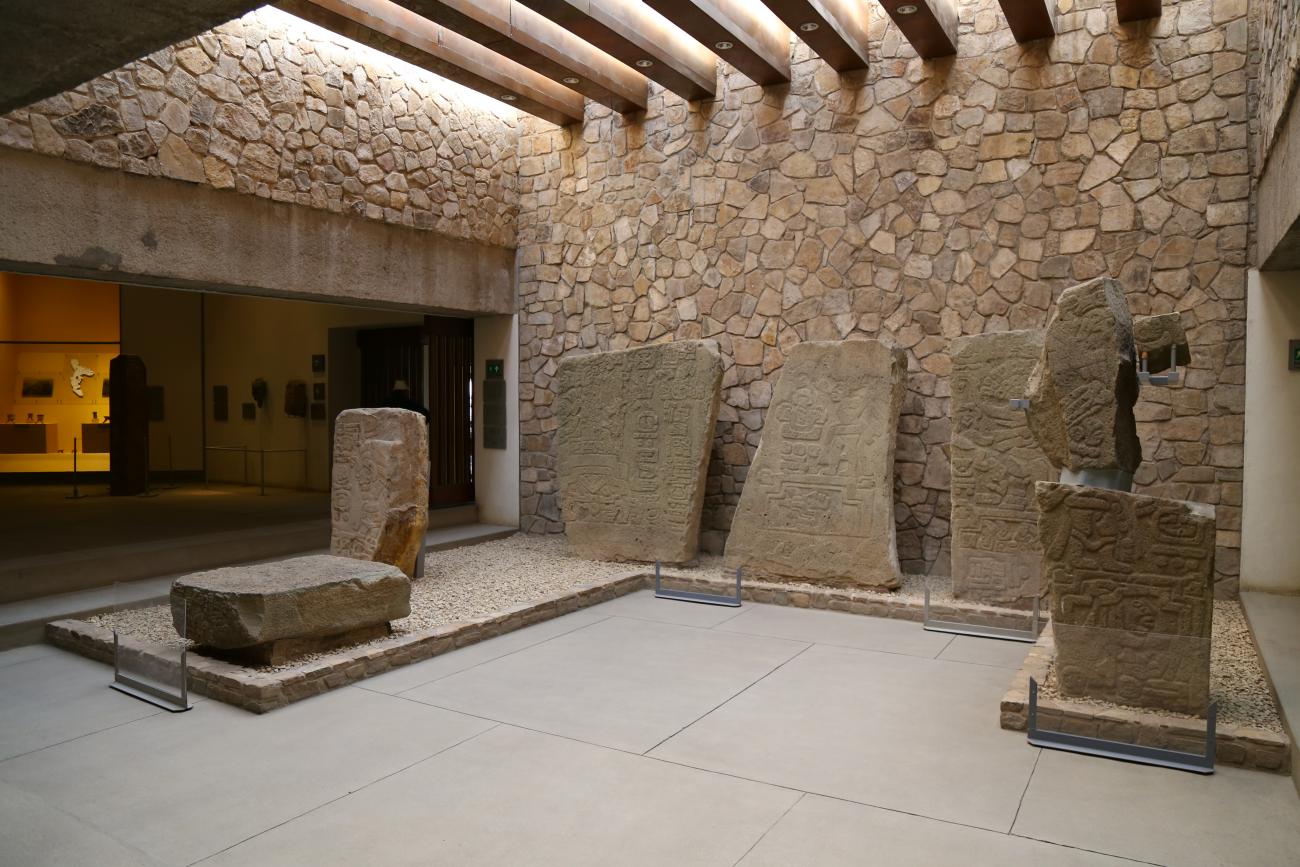
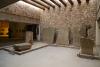
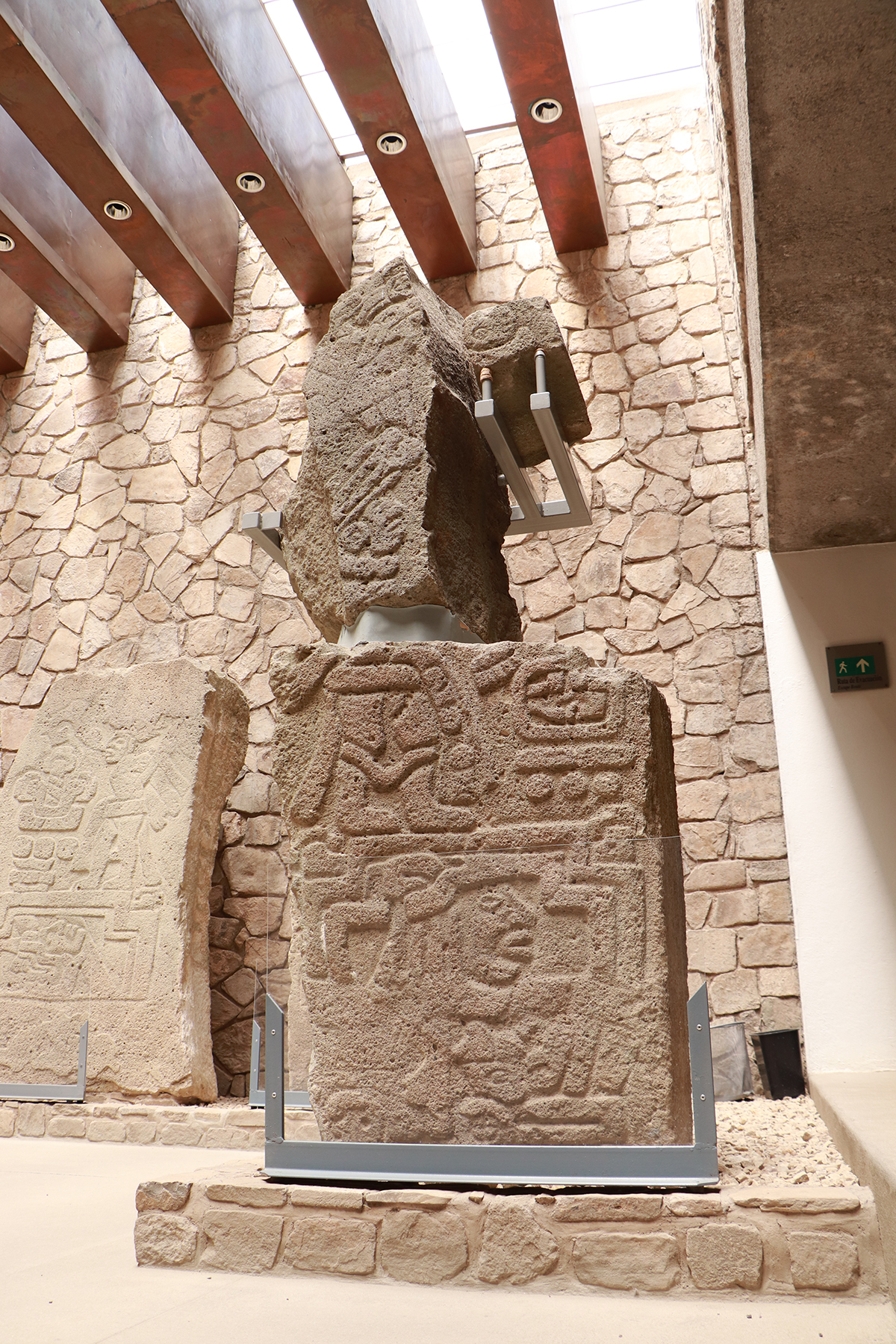
Around the year 500 CE (Phase IIIA or early IIIB-IV), the Zapotecs extracted large greenstone slabs (volcanic tuff, or "cantera") from quarries in the valley—possibly from Ixcotel near Oaxaca City or the Etla Valley—and brought them up to Monte Albán. Epigrapher Javier Urcid has identified a complex sequence of how these stones were used.
Initially, they served as roofing for a small building—possibly on the South Platform—and were engraved on the sides with depictions of elite individuals (e.g., MA-SP-7), framed symbols, and glyphs. This was clearly a commemorative structure, as the same individuals appear on multiple sides of the stone.
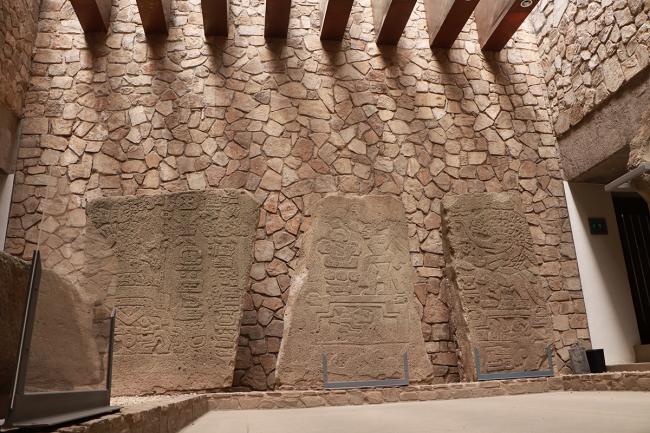
Later, in the early IIIB-IV phase, the building was dismantled, and the faces of the slabs were carved with scenes such as a seated leader holding a staff of authority (MA-SP-1), alongside a long text that includes dates, actions, and possibly place names, though it has not been fully deciphered. Other slabs feature elite figures in the posture of prisoners, with bound arms, each standing atop a hill glyph that may indicate their place of origin (MA-SP-3 and 8). These slabs formed a narrative ensemble, similar to the MA-SP-1, 3, and 8 stones exhibited here. In the late IIIB-IV phase, this composition was also dismantled.
Some of the slabs were later reused as cornerstones on the South Platform, valued for their size and durability, which helped support the massive fill. Others were broken and scattered across the site. For example, MA-SP-5 was split in two, but still shows part of a prisoner figure, and its upper section was partially carved and worn down to serve as a column base.
Document
- Dirección de la Zona Arqueológica y Museo de SitioDavid Andrade Olveradavid_andrade@inah.gob.mx+52 (951) 516 7077Difusión Cultural y Servicios EducativosEric Valentín Flores Ramírezeric_florez@inah.gob.mx+52 (951) 516 1215Centro de Documentación e Investigación sobre el manejo de Sitios Arqueológicos del Patrimonio MundialYuridia Inelva Ríos Gómezyuridia_rios@inah.gob.mx+52 (951) 516 1215Área Jurídica y Polígono de ProtecciónCarolina Valentín Contrerascarolina_valentin@inah.gob.mx+52 (951) 501 2311